


The Ultimate Guide to Selecting Mulcher Teeth for Your Machine
Choosing the right mulcher teeth cuts downtime and boosts productivity. But the many options can feel overwhelming. Imagine a landowner clearing light brush versus a contractor grinding stumps in rocky terrain. Their tooth needs are very different.
Three main things decide which tooth you need. These are your mulcher type (drum or disc), ground conditions (soft soil or abrasive rock), and desired finish quality (fine mulch or coarse grinding). This guide covers specific tooth models and brands, including those from Changzhou Renewal Machinery. It helps you make a cost-effective purchase. You'll learn a clear, step-by-step way to Choose Right Teeth for your specific machine and job site.
Key Takeaways
Match the tooth type to your mulcher: drum or disc.
Choose steel teeth for soft ground and carbide for rocky terrain.
Select planer teeth for fine mulch and hammer teeth for heavy grinding.
Rotate teeth regularly to extend their life by up to 30%.
Balance upfront cost with long-term savings by matching tooth material to your work conditions.
How to Choose Right Teeth by Machine Type
Before you look at tooth materials or tip shapes, you must know your mulcher type. This one choice sets everything else. Drum mulchers have a horizontal drum that spins side to side, parallel to the ground. Disc mulchers use a vertical disc that spins up and down, perpendicular to the ground. These two designs cut in very different ways, so they need very different tooth shapes.
Drum Mulcher Teeth Basics
Drum mulchers place teeth around a horizontal cylinder. As the drum turns, each tooth hits material with a downward, sweeping motion. This works well for grinding stumps, clearing brush, and mulching low plants. Drum mulcher teeth are usually shorter and stronger. They must handle hard hits as they dig into thick material.
The mounting system on drum mulchers often uses a tooth holder welded or bolted to the drum. The tooth slides into this holder and locks with a pin or bolt. You cannot put a disc tooth on a drum mulcher. The shapes do not fit. Check your machine manual for the tooth part number or mounting size. Measure the hole diameter and the pocket width if you have no manual. These numbers tell you which tooth family fits your drum.
Disc Mulcher Teeth Basics
Disc mulchers place teeth around the edge of a vertical disc. The disc spins fast, and the teeth slice through material with a horizontal, chopping motion. This design is great for cutting standing trees, clearing thick brush, and making even mulch in forests. Disc teeth are often longer and flatter than drum teeth. They use speed, not heavy force.
The mounting setup on disc mulchers is different from drum systems. Teeth attach straight to the disc face or into pockets cut into the disc edge. Some designs use several bolts per tooth, while others use one retainer. Using the wrong tooth on your disc mulcher causes poor cutting, shaking, and damage to the pockets. Always check compatibility before you install. Ask your dealer or look at the maker's cross-reference chart to Choose Right Teeth for your machine model.
Drum Mulcher Teeth Selection
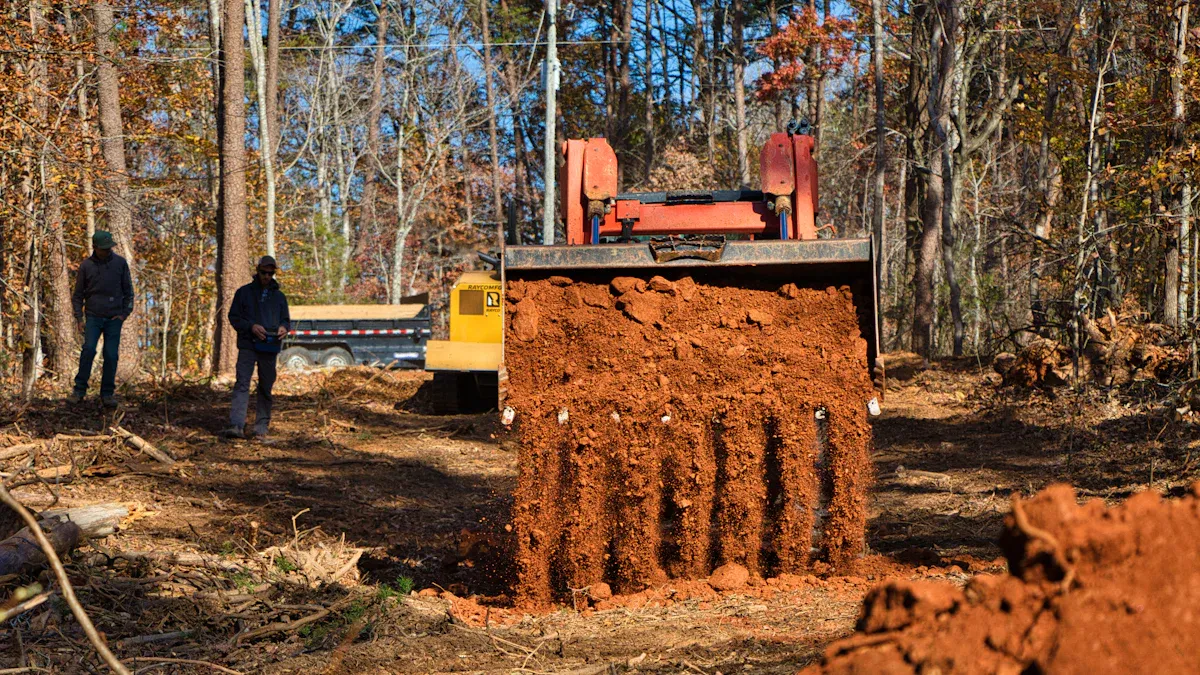
Once you know your machine uses a drum, you must make another choice. You need to pick the tooth material. There are two main types: steel teeth and carbide-tipped teeth. Each type works best for different jobs. Your ground conditions and budget help you decide.
Steel Teeth for Soft Ground and Budgets
Steel teeth have a sharp cutting edge. This edge gives a cleaner cut in soft soil and light brush. You get more work done when clearing grass, small trees, and loose dirt. The sharp shape cuts through material with less effort. Your machine runs smoother and faster.
Steel teeth cost less at first. This lower price makes them a good pick for landowners and operators who work mostly in easy conditions. If your job sites have sandy soil, pasture land, or recently cleared ground, steel teeth do the job well. They also work for people who use their mulcher only a few times each year.
The downside is wear. Steel teeth wear out faster than carbide ones. Rocks, gravel, and hard stumps dull the edge quickly. You must replace them more often. This extra replacement adds labor time and part costs over a season. Still, for light work, the savings make steel a good choice.
Changzhou Renewal Machinery offers Type A/H teeth for this job. These teeth work well for general forestry mulching on drum mulchers. They give steady performance in soft conditions. You get a good mix of cutting power and low replacement cost. Many operators keep a set of steel teeth for regular maintenance jobs.
Carbide-Tipped Teeth for Rocky and Demanding Conditions
Rocky ground needs tougher tools. Carbide tipped teeth handle rough conditions with ease. These carbide mulcher teeth have tungsten carbide tips attached to high-carbon steel bodies. The carbide resists wear from rocks, gravel, and sandy soil. You spend less time changing teeth and more time working.
The hardness range for these carbide mulcher teeth is between HRC 38 and 52. This range changes based on model and use. Higher hardness means better wear resistance. The tungsten carbide tip stays sharp longer than plain steel. This long life matters when you grind stumps or clear land with rocks in it.
Type B teeth from Changzhou Renewal Machinery offer a sharp edge for stump grinding. This design cuts through tough material while using less power. Your machine keeps higher engine RPM. You grind faster with less strain on the hydraulic system. The sharp edge also gives a cleaner cut on stumps and roots.
For longer service life, think about Double Carbide Teeth. These carbide mulcher teeth have carbide on two sides. This design doubles the usable wear material. You turn the tooth to expose fresh carbide. This turning extends service life a lot. Operators in extreme conditions like this feature.
Carbide teeth cost more at first. The higher price stops some buyers. But you must look at the full cost picture. Carbide teeth last several times longer than steel in rocky conditions. You buy fewer replacements. You spend less time changing worn teeth. Your machine stays working longer. For contractors who work in tough terrain daily, carbide saves money over time.
To Choose Right Teeth for your drum mulcher, look at your usual job sites. If you hit rocks, stumps, or rough soil often, buy carbide. If your work stays in soft ground, steel works fine. Match the tooth material to your main working conditions. This way, you get the most value for every dollar spent.
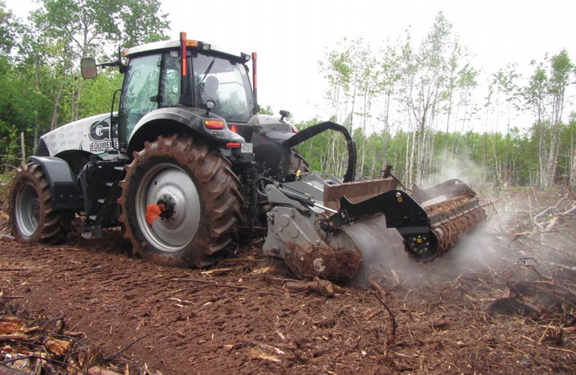
Disc Mulcher Teeth Selection
Your disc mulcher spins a vertical disc. This design cuts through material with a chopping action. The tooth shape matters a lot here. Two main types work best for disc machines: planer teeth and hammer teeth. Each one serves a different purpose. Your choice depends on the finish you want and the material you cut.
Planer Teeth for a Fine Finish
Planer teeth make clean, even mulch. They work like a woodworker's plane. The flat cutting face shaves material into small, uniform chips. Models like the Type C and Type F from Changzhou Renewal Machinery fit this role. These teeth create fine mulch that looks neat and consistent.
Use planer teeth for vegetation management and tidy land clearing. Think about parks, roadsides, golf courses, and residential areas. You want the ground to look clean after you finish. Planer teeth cut grass, soft brush, and loose soil easily. They leave a smooth finish that land managers like.
These teeth work best in softer conditions. Sandy soil, pasture land, and recently cleared ground suit them well. The flat edge lowers resistance. Your machine runs faster with less strain. You cover more acres each day.
Planer teeth also use less horsepower. Your engine stays at a higher RPM. This keeps the cutting speed steady. The result is an even mulch layer across the whole work area.
The downside comes in rocky or abrasive ground. The flat edge dulls quickly when it hits gravel or hard stumps. You need more frequent replacements in rough conditions. But for light to medium work, planer teeth give excellent value.
Hammer Teeth for Heavy-Duty Grinding
Hammer teeth offer more power and flexibility. The design features a thicker, stronger cutting profile. The K3 Hammer from Changzhou Renewal Machinery exemplifies this category. These teeth hit material with blunt force. They break through dense brush, thick scrub, and small trees up to several inches wide.
The hammer shape handles tough conditions that planer teeth cannot manage. You can grind dense vegetation, saplings, and mixed brush with confidence. The aggressive profile tears through material. This action works well for heavy clearing projects and forest management.
The Samurai Knife design improves cutting efficiency on Fecon FGT series machines. This special shape combines hammer toughness with knife sharpness. You get better penetration in dense material. The machine uses less fuel and cuts faster. Operators report smoother operation with this design.
Hammer teeth produce a rougher finish than planer teeth. The mulch looks coarser and less even. This works fine for forestry work and land clearing. Appearance matters less when you clear timber or prepare sites for development.
The initial cost for hammer teeth runs higher. The thicker body and complex shape add to manufacturing expense. But the longer service life in tough conditions offsets this upfront cost. You replace them less often when working in heavy brush.
To choose right teeth for your disc mulcher, match the style to your main work. Use planer teeth for fine finishes in soft ground. Use hammer teeth for heavy grinding in dense vegetation. Many operators keep both sets on hand. They switch based on the job site conditions. This approach gives the best results for every project you take.
Optimizing Tooth Performance and Cost
Strategic Placement for Even Wear
Where you put your teeth matters for how long they last. If teeth wear down unevenly, some cut better than others. That makes your machine work harder. It also makes the mulch quality worse. You can stop these issues with one easy habit: rotate your teeth on a regular schedule.
Rotation means moving teeth from one spot to another on the drum or disc. This spreads the wear over all cutting edges. Operators who rotate teeth on a set schedule can make their teeth last up to 30% longer. That extra life adds up fast on a busy site. You buy fewer new teeth and spend less time changing worn ones.
The mounting system also plays a big role. A tooth that fits loosely will shake while working. That shaking wears out both the tooth and the holder faster. Changzhou Renewal Machinery checks every tooth with 100% dimensional inspection. This check makes sure each tooth fits its pocket exactly right. A snug fit cuts down on shaking and keeps wear even across the cutting surface.
Look at your teeth after every few hours of work. Check for uneven wear or damage. Move teeth from high-wear areas to low-wear areas. Keep a simple log of when you rotate each set. This small effort gives you longer tooth life and steadier cutting performance.
Balancing Steel and Carbide for Cost Efficiency
Picking between steel and carbide teeth depends on your usual job sites. Steel teeth cost less at first. They work fine in soft soil and light brush. But they wear out fast in rough, abrasive ground. You replace them often, and every replacement costs you labor time.
Carbide teeth cost more upfront. The tungsten carbide tips resist wear from rocks and sand. They last several times longer than steel in tough ground. Look at the HDT03 model for AHWI and PRINOTH mulchers. This carbide tooth gives excellent wear resistance in demanding jobs.
Think about the places you work most often. Do you grind stumps or clear land with rocky soil a lot? Then carbide is the smarter money choice over time. The higher upfront cost spreads across many more hours of work. You also save on labor because you swap teeth less often.
For operators who mostly work in soft ground, steel is still a good budget pick. The key is matching your tooth material to your ground conditions. Look at your job sites honestly. Count how many hours you spend in abrasive terrain each month. This simple check points you toward the most cost-effective buy for your work.
You now have a clear path to Choose Right Teeth for your mulcher. Start with your machine type. Drum or disc determines the tooth shape you need. Next, examine your ground conditions. Soft soil calls for steel teeth. Rocky terrain demands carbide-tipped options. Finally, match the tooth design to your finish goals. Planer teeth create fine mulch. Hammer teeth handle heavy grinding.
No single tooth works best for every job. Your specific machine and site conditions define the right choice. Evaluate your most common working environments before purchasing. Consider finish quality, speed, longevity, and budget.
Changzhou Renewal Machinery offers OEM-compatible teeth for FAE, Fecon, Denis Cimaf, AHWI, PRINOTH, Quadco, Gyro-Trac, and AFE machines. Contact their sales team with your machine model and typical ground conditions. Get a personalized recommendation that saves you time and money.
FAQ
How do I know which tooth fits my mulcher?
Look in your machine manual for the part number or mounting size. If you don't have a manual, measure the hole diameter and pocket width. Then compare these numbers with the maker's charts. Changzhou Renewal Machinery offers guides that show which teeth fit FAE, Fecon, Denis Cimaf, AHWI, PRINOTH, Quadco, Gyro-Trac, and AFE machines.
How long should mulcher teeth last?
How long teeth last depends on the ground and the tooth material. Steel teeth wear out faster in rough soil. Carbide-tipped teeth last much longer in rocky areas. Turning teeth on a regular schedule can make them last up to 30% longer. Check your teeth after every few hours of work to see how they are wearing.
Can I mix steel and carbide teeth on the same drum?
You can mix them, but it is not a good idea. Steel and carbide wear down at different speeds. This causes uneven cutting and adds strain to your machine. Pick one material for the whole drum or disc. Choose the one that matches the ground you work in most often for steady results.
Do I need special tools to replace mulcher teeth?
Most of the time, you only need standard wrenches or a punch for the pins. Each tooth is held in place by a pin or bolt. Take out the fastener, pull the old tooth out, and put the new one in. Always make sure the tooth sits fully in place before you tighten it.


