


You want your forestry mulcher to work its best. Picking carbide mulching teeth that fit your machine is important. You should also think about the land and plants you will work on. Good replacement teeth last longer and save money on repairs. The right mulching teeth help you work faster and stop your machine from breaking down. This means you can do more work in less time. Some people choose the wrong teeth and make mistakes. It is important to know how carbide teeth are different from other types.
Key Takeaways
Pick the right carbide mulching teeth for your land. Standard teeth are good for mixed ground. Heavy-duty teeth are better for rocky places.
Always look at your mulcher’s rules before buying new teeth. This makes sure they fit and stops expensive errors.
Check your mulching teeth every day for damage or wear. Checking often keeps them working well and stops problems.
Think about how carbide mulching teeth save money over time. They last longer and need less care than steel teeth. This makes them a smart buy.
Types of Carbide Mulching Teeth
When you choose mulcher teeth, you need to know the main types. Each type works best in different jobs and conditions. Carbide teeth stand out because they last longer and handle tough work.
Standard Carbide Teeth
Standard carbide teeth work well for most forestry jobs. You can use them in rocky or abrasive terrain. They also cut through dense brush, hardwoods, and thick vegetation. Many people pick these teeth for commercial or frequent land clearing. You get good cutting power and long life. Standard carbide teeth help you finish jobs faster and with less downtime.
Tip: Standard carbide teeth are a smart choice if you often work in mixed or rough areas.
Heavy-Duty Carbide Teeth
Heavy-duty carbide teeth give you even more strength. These teeth handle the hardest jobs. You should use them in rocky or very harsh terrain. They last longer than standard teeth and keep working even when the ground is full of rocks. Many commercial operators choose heavy-duty teeth for big land clearing projects. You spend less time changing teeth and more time working.
Heavy-duty teeth are best for:
Rocky or abrasive ground
Large commercial jobs
Areas with lots of stumps or thick wood
Reversible and Replaceable Tips
Some mulcher teeth come with reversible or replaceable tips. You can flip or change the tip when it wears out. This design saves you money and time. You do not need to replace the whole tooth. Reversible tips work well if you want to get the most use from each tooth. Replaceable tips are easy to swap, so you can keep your machine running longer.
| Type | Best Use Case | Main Benefit |
|---|---|---|
| Standard Carbide Teeth | Rocky terrain, dense brush | Good for most jobs |
| Heavy-Duty Carbide Teeth | Very rocky or harsh conditions | Extra durability |
| Reversible/Replaceable Tips | Mixed or changing conditions | Cost and time savings |
Carbide mulching teeth, like carbide hammers, give you strong cutting power and last much longer than steel teeth. You pay more at first, but you save money over time because you change teeth less often. Carbide teeth keep your mulcher working well, even in tough jobs.
Mulcher Teeth Compatibility
Choosing the right mulcher teeth starts with checking if they fit your machine. You want to avoid buying teeth that do not match your equipment. This step saves you time and money.
Checking Machine Specifications
First, look at your forestry mulcher’s manual. The manual lists the types and sizes of teeth that work with your model. You can also find this information on the manufacturer’s website. Write down the part numbers and measurements. If you skip this step, you might end up with teeth that do not fit or work well.
Tip: Always double-check the specs before you order new teeth. This helps you avoid costly mistakes.
Mounting Systems and Fit
Mulcher teeth attach to your machine in different ways. Some use bolts, while others use a quick-change system. You need to know which mounting system your mulcher uses. If you pick the wrong type, the teeth will not stay in place. Check the shape and size of the mounting holes. Make sure the new teeth match these details.
Common mounting systems:
Bolt-on
Pin-on
Quick-change
A good fit keeps your machine safe and working well.
Trusted Suppliers
Buy your mulcher teeth from trusted suppliers. Reputable dealers offer quality products and clear information. They can help you find the right teeth for your machine. Some suppliers even provide charts or guides to match teeth to different brands and models.
| Supplier Type | What They Offer |
|---|---|
| Authorized Dealer | Genuine parts, expert advice |
| Online Retailer | Wide selection, fast shipping |
Note: If you are not sure, ask the supplier for help. They can guide you to the best choice for your mulcher.
Matching Mulching Teeth to Terrain and Vegetation
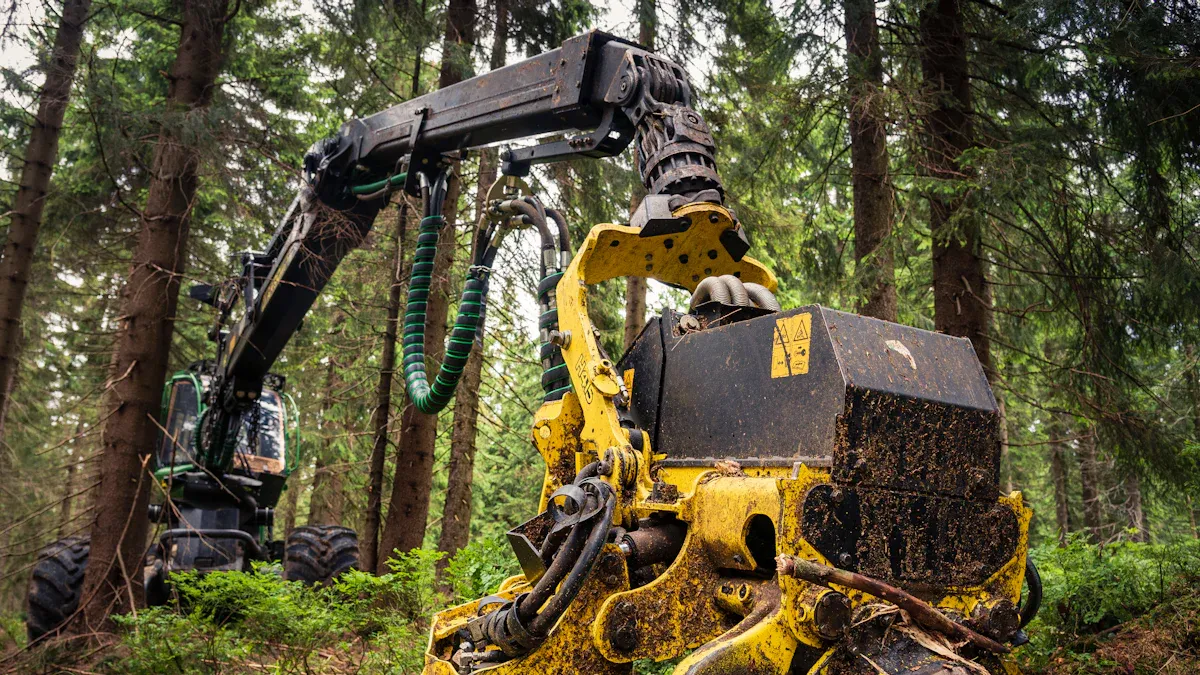
Choosing the right mulcher teeth depends on the land and plants you need to clear. Terrain and vegetation type can change how your machine works. You want the best performance for every job. Some teeth work better in rocky areas, while others do well in soft soil or mixed conditions. Understanding these differences helps you get the most from your forestry mulcher.
Rocky and Overgrown Areas
You face tough challenges in rocky and overgrown places. Rocks and thick brush can wear down regular teeth fast. Carbide teeth give you a big advantage here. They have special features that help them last longer and cut better in these harsh spots.
| Feature | Benefit |
|---|---|
| Enhanced Wear Resistance | Allows teeth to withstand harsh impacts from rocks and maintain cutting efficiency. |
| Specialized Tooth Designs | Optimized for cutting through tough materials in overgrown environments. |
| High-Quality Tungsten Carbide | Provides high hardness and wear resistance, extending the lifespan of the teeth. |
Carbide mulching teeth handle rocky ground and thick vegetation with ease. You can keep working longer without stopping to change teeth. This means you finish jobs faster and save money on repairs. If you often work in overgrown forests or rocky fields, carbide teeth give you the best performance.
Tip: Always check your teeth after working in rocky areas. Even the toughest teeth need regular inspection.
Soft Soil and Dense Brush
Soft soil and dense brush need a different approach. In these areas, you want teeth that cut cleanly but do not dig too deep. Carbide teeth work well in dense brush and tough conditions. They cut through thick plants and hardwoods with ease. However, in very soft soil, steel teeth sometimes perform better. Steel teeth can move through loose dirt without getting stuck.
You should choose mulcher teeth based on the main challenge. If you clear mostly brush and small trees, carbide teeth give you strong cutting power and long life. If you work in soft, sandy soil, you might want to try steel teeth for better performance.
Note: Carbide teeth shine in dense brush and tough ground, but steel teeth can be a good choice for soft soil.
Mixed Conditions
Many jobs have mixed terrain. You might find rocks, soft soil, and thick brush all in one place. You need mulching teeth that can handle everything. Carbide teeth are a smart pick for these jobs. They give you durability and strong performance in most conditions.
Here is a quick guide to help you choose:
| Terrain Condition | Recommended Teeth Type | Key Advantages |
|---|---|---|
| Rocky or Hard Ground | Carbide Teeth | Extremely durable, low maintenance, handles tough jobs |
| Soil contact & Light Brush | Carbide Teeth / Knives | Cost-effective, versatile for less demanding applications |
| Dense Vegetation & Thick Trees | Forged Knives | Fast, efficient cutting, leaves fine mulch |
You should look at the land before you start. If you see a lot of rocks and thick brush, carbide mulching teeth will give you the best results. For lighter brush or softer ground, you can use other types, but carbide teeth still offer good performance and long life.
Reminder: Always match your teeth to the job. The right choice keeps your machine running well and helps you finish faster.
Key Features of Mulching Teeth
Durability and Wear Resistance
You want mulcher teeth that last a long time and keep working hard. Carbide teeth stand out because they handle tough jobs and resist wear better than steel teeth. You can see the difference in how long they last and how little care they need. Check out this table to compare carbide teeth and steel teeth:
| Type of Teeth | Lifespan Comparison | Maintenance Needs |
|---|---|---|
| Carbide Teeth | 3-5 times longer | Low-maintenance, no sharpening |
| Steel Teeth | Shorter lifespan | Requires regular sharpening |
Carbide teeth keep their sharp edge for hundreds of hours. You do not need to sharpen them. Many operators use carbide mulching teeth for up to 500 hours before replacement. Double carbide-tipped designs give even more wear resistance. You get strong cutting performance in hardwood, dense brush, and rocky ground. This means you spend less time changing teeth and more time working.
Maintenance and Replacement
You can make your mulching teeth last longer with simple care. Regular inspections help you spot wear or damage early. Clean and lubricate your equipment to keep everything running smoothly. If you use steel teeth, you need to sharpen and rotate them often. Carbide teeth need less attention, but you should still check them after each job. Set a schedule for cleaning, checking, and replacing teeth. This keeps your productivity high and prevents breakdowns.
Tip: Operate your machine at the right speed and angle. This reduces stress on the teeth and helps them last longer.
Cost vs. Performance
Carbide teeth cost more at first, but they save you money over time. You get better cutting performance and longer life, especially in harsh conditions. Carbide mulching teeth keep working in rocky or abrasive areas, so you do not stop for repairs as often. Steel teeth cost less, but you replace them more often and spend more time on maintenance. When you choose carbide teeth, you boost your productivity and lower your long-term costs.
You get the best value when you match your teeth to your job and keep up with regular care. This helps you get the most out of your investment and keeps your forestry mulcher running strong.
Installation and Care Tips
Proper Installation
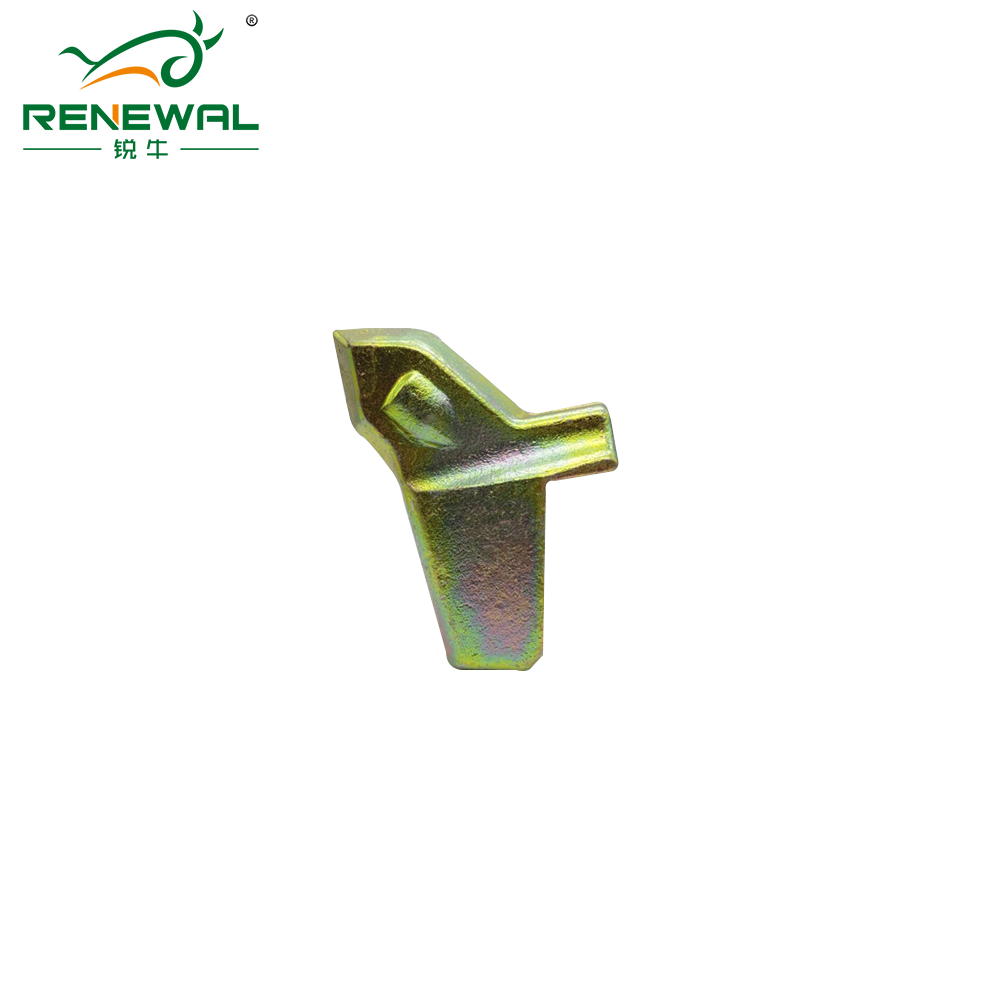
You need to install mulching teeth the right way to get the best results. Always follow the manufacturer's torque settings when you tighten the teeth. This keeps them secure and safe. Use high-quality replacement teeth from trusted suppliers. Check that each tooth fits tightly and does not move. Rotate the teeth from time to time so they wear evenly. Clean the mulcher head after every use to stop debris from building up. Avoid hitting rocks or hard surfaces, as this can damage the teeth.
Tip: Never try to sharpen carbide-tipped teeth. Sharpening can damage them and reduce their lifespan.
| Safety Feature | Purpose |
|---|---|
| ROPS/FOPS Level II | Protects you if the machine tips over. |
| Polycarbonate Windshield | Shields you from flying wood chips and bark. |
Routine Inspection
You should inspect your mulching teeth every day before you start work. Look for loose, cracked, or missing teeth. Check for debris stuck around the teeth and clean it away. Watch for hydraulic leaks near the mulcher head. Daily inspections help you catch small problems before they become big ones. This keeps your machine running and prevents costly repairs.
Inspect blades for wear, cracks, or loose tips before each use.
Remove any debris that could block the teeth.
Check for leaks or other damage around the mulcher head.
When to Replace Teeth
Replace your carbide mulching teeth when you see signs of heavy wear or damage. If a tooth looks chipped, cracked, or worn down, it will not cut well. Worn teeth can slow your work and put stress on your machine. You cannot sharpen carbide teeth, so replacement is the best option. Always use the right type of tooth for your machine and job. This keeps your mulcher safe and efficient.
Regular care and timely replacement help you get the most out of your mulching teeth.
To choose the best carbide mulching teeth, you should follow these steps:
Pick the right type of teeth for your terrain and vegetation.
Check that the teeth fit your mulcher model.
Look at the job needs, like how thick the brush is.
Match the teeth to the ground, such as rocky or soft soil.
Regular inspection and care help your teeth last longer and work better. You can also ask experts or manufacturers for advice. They can help you find the best teeth for your machine and land.
FAQ
What makes carbide mulching teeth better than steel teeth?
Carbide teeth last much longer than steel teeth. You get better cutting power and less downtime. You spend less time on maintenance. Carbide teeth work well in tough jobs and rocky terrain.
How often should you inspect mulching teeth?
You should inspect your mulching teeth before each job. Look for cracks, chips, or loose teeth. Daily checks help you catch problems early and keep your machine running safely.
Can you sharpen carbide mulching teeth?
You cannot sharpen carbide mulching teeth. Sharpening damages the carbide tip. Replace worn teeth with new ones to keep your mulcher working at its best.
How do you know when to replace mulching teeth?
Check for heavy wear, chips, or cracks. If a tooth looks damaged or does not cut well, replace it. Worn teeth slow your work and can harm your machine.
Where can you buy quality carbide mulching teeth?
You can buy quality carbide teeth from authorized dealers or trusted online suppliers. Look for suppliers with good reviews and clear product information. Ask for help if you are unsure about fit or type.


