


When you select rock auger bullet teeth for hard ground, you should focus on a few key criteria. You need to consider tooth type, material, equipment compatibility, and the hardness of the ground you plan to drill. Matching the right teeth to your drill and ground conditions ensures better results and less downtime for your project.
Tungsten carbide teeth offer outstanding hardness and resist wear, making them ideal for tough ground.
Alloy steel teeth add strength but do not last as long as carbide options.
Carbide-tipped teeth keep their sharpness and work well in compact soil or frozen ground.
Durable teeth reduce wear and lower costs. You get the best performance when you focus on practical selection steps instead of only looking at product specs.
Key Takeaways
Pick tungsten carbide teeth for hard ground. They do not wear out fast and last longer. This helps you drill better and faster.
Know the ground before picking teeth. Do tests to see how hard it is. Then choose teeth that match the ground.
Check and take care of your bullet teeth often. This helps you find problems early. It also makes the teeth last longer.
Always make sure the teeth fit your machine. If they do not fit, your drilling may not work well.
Ask skilled makers for advice. Their tips can help you pick the best teeth for your drilling job.
Rock Auger Bullet Teeth Types
When you look for the right rock auger bullet teeth, you will see different types and series. Each type works best in certain ground conditions. Knowing the differences helps you choose the best option for your project.
BKH and BTK Series
You will often find BKH and BTK series when you shop for bullet teeth. These series stand out because they fit many drilling machines and handle tough jobs.
BKH Series:
You can use BKH series for medium to hard ground. These teeth have a strong body and a sharp tip. They work well for drilling in rocky soil or compacted layers.BTK Series:
BTK series teeth give you extra strength. You should pick these for very hard ground or when you need to drill deep. The BTK design helps the teeth last longer and keeps them from breaking under pressure.
Tip:
Always check your drilling machine’s manual. Make sure the series you pick matches your equipment.
Conical and Carbide-Tipped Teeth
You will also see different shapes and materials for bullet teeth. Two popular choices are conical and carbide-tipped teeth.
| Type | Best For | Key Feature |
|---|---|---|
| Conical Teeth | Hard, rocky ground | Pointed for easy entry |
| Carbide-Tipped Teeth | Very hard or abrasive ground | Tungsten carbide bullet teeth resist wear |
Conical teeth have a pointed shape. This shape lets you drill into hard ground with less effort. You get smoother drilling and less vibration.
Carbide-tipped teeth use a layer of tungsten carbide. This material makes the teeth much harder than steel. You should use tungsten carbide bullet teeth if you want long life and top performance in tough ground.
Note:
Choosing the right type of bullet teeth helps you save time and money on your drilling projects.
Key Selection Factors
Ground Hardness
It is important to know how hard the ground is before picking rock bit teeth. Hard ground and rocks need stronger tools. You can use tests to check ground hardness. The Standard Penetration Test counts how many hits it takes to push a sampler into the ground. Cone Penetration Testing (CPT) checks how much force is needed to push a cone into the soil. These tests tell you if the ground is soft, packed, or solid rock.
| Test Method | Description |
|---|---|
| Standard Penetration Test | Counts how many hits to push a sampler into the ground. |
| Cone Penetration Testing (CPT) | Checks how much force is needed to push a cone into the soil. |
If you drill in hard rock, pick bullet teeth made for tough ground. Carbide-tipped teeth and conical shapes are best for hard ground. They cut through tough layers and stay sharp longer.
Tooth Material and Design
The material and shape of the teeth matter a lot for drilling. Tungsten carbide-tipped teeth work best in hard ground. They last longer and do not wear out as fast as steel alloy teeth. Custom-coated teeth help when the ground is rough or hits hard.
| Type of Bullet Tooth | Suitable For | Key Features |
|---|---|---|
| Tungsten Carbide-Tipped Teeth | Hard rock drilling | Very hard, lasts long, and does not wear out fast |
| Steel Alloy Teeth | Softer materials | Cheaper, lasts a fair time, cuts well |
| Custom-Coated Teeth | Abrasive/high-impact | Special coating lowers friction and stops rust |
The right shape helps you drill better. For example, B47K bullet teeth have a special shape. This shape lets you drill faster and keeps the teeth from wearing out quickly. The way these teeth are made helps them cut into rock with less effort.
The special shape lets each tooth cut into rock easily. This means you can drill faster and the teeth last longer.
Equipment Compatibility
You need to make sure your bullet teeth fit your drilling machine. Check your machine’s flow, pressure, and weight. Make sure the teeth fit your drill and can reach the depth you need. Carbide teeth are best for deep drilling in hard ground. They stay strong and sharp. Always follow what the maker says to avoid problems and get the best results.
| Compatibility Issue | Description |
|---|---|
| Material Type | Use bullet teeth made from strong materials like tungsten carbide. |
| Machine Compatibility | Make sure bullet teeth fit your drilling machine. |
| Cutting Conditions | Pick teeth that work for the ground you are drilling. |
| Manufacturer Recommendations | Follow the maker’s advice to avoid trouble and get good results. |
A good choice means thinking about your machine, the ground, and how deep you need to drill. This helps you drill better and finish your project on time.
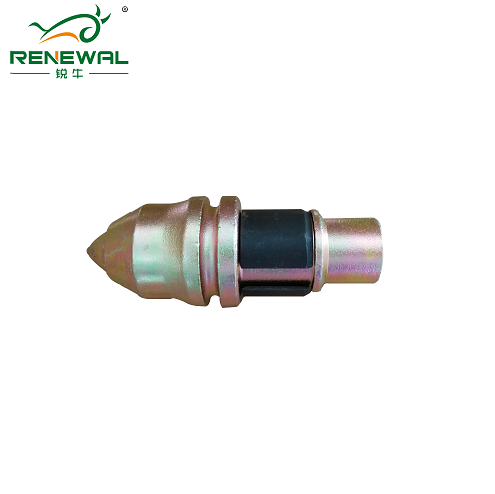
Choosing Suitable Bullet Teeth
Assessing Drilling Conditions
Before you start your drilling project, you need to understand the ground you will face. Hard ground, rock formations, and mixed soils all require different approaches. If you skip this step, you may pick the wrong bullet teeth and slow down your work.
Study the geological conditions at your site. Look for signs of rock, gravel, or frozen soil.
Choose the right tooth configuration for your ground. For example, Digga’s S range works well for earth, clay, and shale. The TM range also fits these jobs.
Use TT combinations for soft earth and clay. For shale or abrasive ground, select Digga’s rock picks.
Assess the bore pile requirements based on the ground. This helps you decide the size of your drill augers and the type of bullet teeth you need.
Consult with experienced manufacturers. Their advice can help you find suitable bullet teeth for your specific site.
Tip:
Always ask for recommendations from trusted manufacturers. Their experience with different rock formations can help you avoid costly mistakes.
You should also consider the most common challenges in hard ground. Rock, gravel, and frozen soil put a lot of stress on your equipment. Bullet teeth with a conical shape and carbide tips can handle these tough conditions. They cut through hard layers and reduce wear on your drill.
Matching Teeth to Terrain
Once you know your ground conditions, you can match the suitable bullet teeth to your terrain. Each type of rock auger bullet teeth has strengths for certain jobs. You want to pick the suitable kind of bullet teeth that fits your equipment and the ground.
Check the technical specifications. Make sure the bullet teeth match your excavator model and the operating conditions.
Look for compatibility with ISO 9001:2015 and ASTM A128 standards. These standards help ensure quality and safety.
Focus on Brinell hardness ratings between 450-550 HB. This range gives you the toughness needed for hard ground.
Make sure the impact toughness is at least 25 J at -20°C. This helps the teeth resist breaking in cold or tough conditions.
Choose bullet teeth with a minimum wear resistance of 0.5% weight loss per 100 operating hours in abrasive ground.
| Feature | Description |
|---|---|
| Durability | Everstar bullet teeth use high-wear materials. They last in hard rock and compacted soil. |
| Efficiency | The design allows fast, clean cuts. You finish your drilling project on time. |
| Adaptability | These teeth work in many soil types. You can use them for different rock formations. |
Note:
If you drill in hard ground, always select heavy-duty, rock-specific bits with reinforced teeth. Start with a pilot hole to make drilling easier and safer.
Many people make mistakes when choosing suitable bullet teeth. They may pick the wrong bit, use too much force, or skip safety steps. To avoid these problems, follow this checklist:
Select heavy-duty, rock-specific bits with reinforced teeth.
Drill in short bursts to prevent damage.
Use the hammer function if your drill has one.
Start with a pilot hole to check for hidden obstacles.
Apply steady pressure and avoid forcing the bit.
Mark underground utilities before you dig.
Use ground penetrating radar to find hidden objects.
Begin with shallow holes and go deeper as you check the ground.
When you match the right bullet teeth to your terrain, you get better results. You drill faster, reduce wear, and finish your project with fewer delays. Always choose the suitable bullet teeth for your ground and equipment. This step saves you time and money, especially when working with tough rock formations.
Maximizing Performance
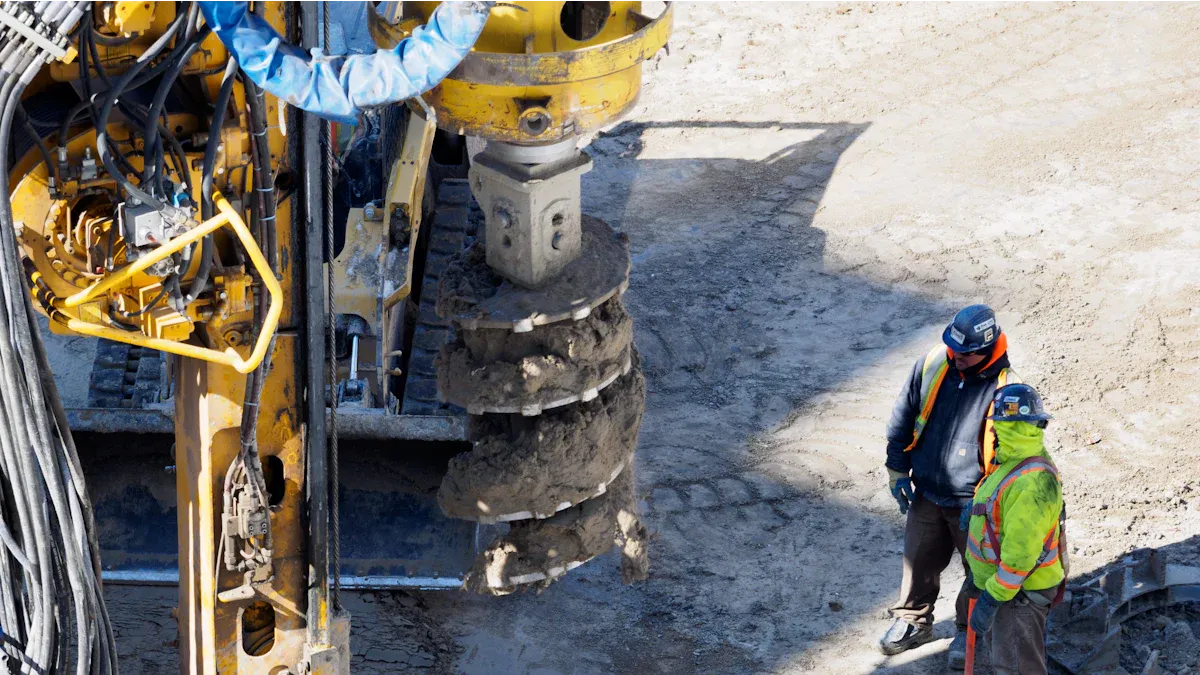
Maintenance Tips
You can keep your drilling equipment working well by doing simple maintenance. Taking care of your rock auger bullet teeth helps them last longer and keeps your drilling efficiency high. Here are some important things to do:
| Maintenance Practice | Description |
|---|---|
| Inspection Routines | Look at bullet teeth before, during, and after use. This helps you find wear early. |
| Cleaning and Storage | Clean teeth after you use them. Store them in a dry place to stop rust. |
| Regular Maintenance Routines | Sharpen tips and check for damage. This makes teeth last longer. |
| Rotating Bullet Teeth | Switch teeth around to make sure they wear evenly. This keeps performance steady. |
| Scheduling Replacements | Plan when to replace teeth. This stops your drilling from suddenly stopping. |
Tip:
Always clean your drill after you use it. Dirt and rock dust can hurt the teeth if you leave it on.
You can also keep a log for maintenance. This helps you remember when you checked or changed your bullet teeth. A good log helps you plan better and keeps your drilling efficiency high.
Recognizing Wear
Finding wear early helps your drilling work better. If you check your bullet teeth often, you can see cracks, chips, or dull tips before they get worse. If you find problems early, you can change teeth before your drill slows down or gets damaged.
High-quality bullet teeth with carbide tips do not wear out fast. They help your drilling efficiency stay strong. Checking teeth often and changing them on time stops big repairs and keeps your project moving. You save money and finish faster when you watch for wear.
Note:
If you see sparks, uneven holes, or slower drilling, stop and check your bullet teeth right away. These signs mean the teeth need help.
If you follow these steps, your drill works smoothly and you keep top drilling efficiency on every job.
You can help your project do well by picking rock auger bullet teeth that fit your drill and the ground.
Use bullet teeth made for hard ground to work better and stop them from wearing out fast.
Pick the right tooth type and material for your machine and the ground to get good drilling results.
Check and take care of your tools often so they last longer and you do not have to pay for big repairs.
| Maintenance Practice | Description |
|---|---|
| Regular Inspection | Look for damage after each time you use them |
| Timely Replacement | Change old teeth so your tools do not break |
Try these tips on your next drilling job. You will get better results and finish with fewer problems.
FAQ
What makes bullet teeth suitable for hard ground?
You need bullet teeth with carbide tips and a strong body. These features help you cut through tough rock and keep the teeth sharp for longer. Always check the material before you choose.
How often should you replace your drill teeth?
You should inspect your drill teeth after each project. Replace them if you see cracks, chips, or dull points. Regular checks help you avoid sudden breakdowns and keep your work on schedule.
Can you use the same teeth for all ground types?
No, you should not use the same teeth for every job. Hard ground needs stronger teeth, while softer soil works with basic options. Always match your teeth to the ground for the best results.
How do you know when bullet teeth are worn out?
Look for signs like sparks, uneven holes, or slow drilling. These signs mean your bullet teeth need attention. Replace them right away to keep your equipment safe and efficient.
Do you need special tools to change bullet teeth?
Most bullet teeth come with a simple locking system. You can change them with basic hand tools. Always follow the manufacturer’s instructions for safe and easy replacement.

