


Aftermarket Fecon Carbide Mulcher Teeth Replacement and Popular Models
You need your mulcher to clear hard ground and thick brush. Timely Fecon Mulcher Teeth Replacement helps your machine operate efficiently. It also saves you money on repairs. Aftermarket carbide teeth provide options for your rotor system and meet your job requirements. Always ensure the new teeth are compatible before installation. This guarantees the best results.
Key Takeaways
Change Fecon mulcher teeth often to keep your machine working well and to avoid expensive fixes.
Make sure the teeth fit the right rotor type so the machine works safely and does a good job.
You can use aftermarket teeth to save money, but check if they fit and are made of good material.
Look at the mulcher teeth before and after you use the machine to find problems early and keep it working well.
Use the right amount of force when putting on teeth so you do not break them and they last longer.
Fecon Rotor Systems and Teeth Compatibility
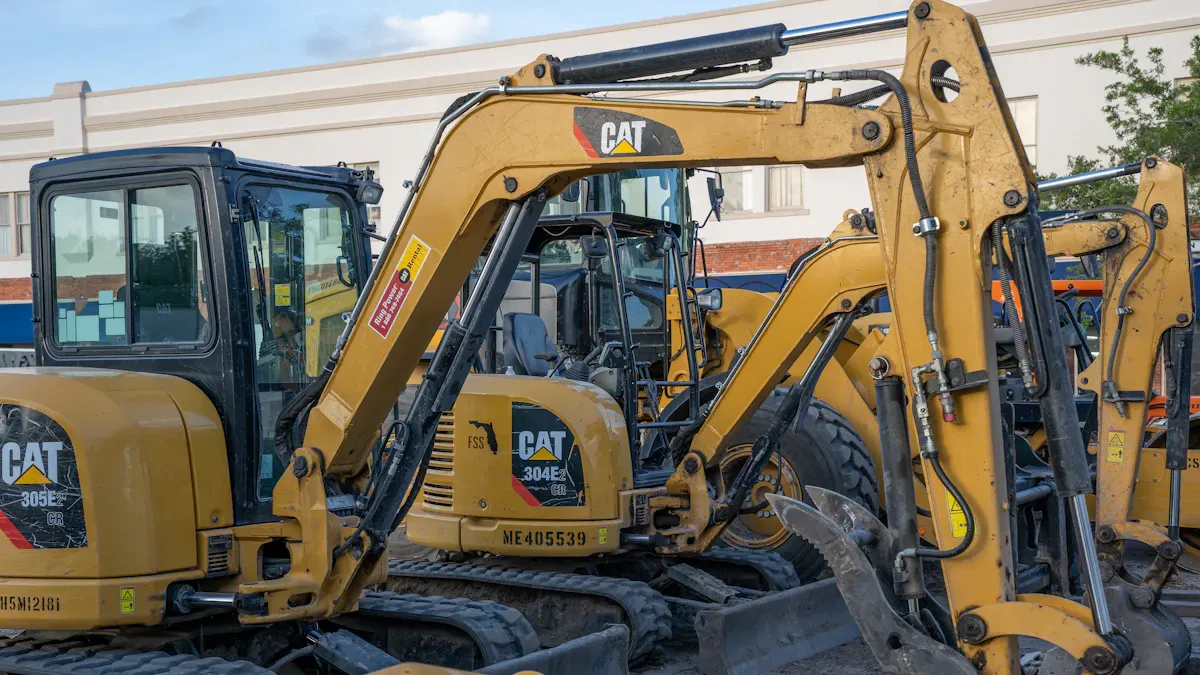
FGT, DCR, FMX, and HDT Rotors
You have to know your rotor system before picking new teeth. Every Fecon rotor is different and works in its own way. This changes how the teeth fit and work. Here is a quick look at each rotor:
Rotor Type | Characteristics |
|---|---|
FGT | This rotor is smooth and has a special tooth pattern. It helps move energy well and makes teeth last longer. It uses Double Carbide Teeth most of the time. |
DCR | This rotor controls how deep it cuts and moves material. It saves energy and helps mulch better. |
FMX | This rotor has split rings and knife tools. It is made for fast mulching and spins quickly. It also helps you spend less time fixing your machine. |
HDT | This rotor is very strong and used for hard jobs. It uses chipper-style knives for tough work. |
Matching Teeth to Rotor Types
You need to use the right carbide mulcher teeth for your rotor. The kind of teeth, the rotor’s shape, and the balance all matter. If you pick the wrong teeth, your rotor can get off balance. This makes your machine work worse and can be unsafe. Always check your rotor type before changing Fecon Mulcher Teeth.
Tip: Using the right teeth helps your machine stay safe and work well.
Popular Tooth Models and Series
There are many tooth models you can pick from. Each one fits certain rotors and machines. Here is a table to show which carbide mulcher teeth go with which rotors:
Tooth Model | Compatible Rotor(s) | Key Feature |
|---|---|---|
Double Carbide | FGT | Lasts a long time in rocky dirt |
Samurai Knife | FGT | Has two cutting edges for small chips |
Viking Axe | DCR | Good for controlling how deep it cuts |
FMX Planer Knife | FMX | Works well on tough, stringy plants |
HDT Chipper Knife | HDT | Very strong for hard jobs |
Sidescraper Teeth | Bull Hog (various) | Used for cutting and clearing on the sides |
You should always look at your machine’s manual or a chart before buying new carbide mulcher teeth. This helps you not make mistakes and keeps your mulcher working great.
Selecting Aftermarket Fecon Mulcher Teeth
Key Selection Criteria
When you pick new teeth for your mulcher, you should think about three things. These are the material, the tip grade, and if the teeth fit your rotor. These things help your machine work well and last longer.
Here is a table that tells you what to check for good carbide mulcher teeth:
Property | Details |
|---|---|
Material Quality | |
Hardness | Carbide teeth reach 48-60 HRC on the cutting surface |
Steel Body | 42CrMo alloy steel, hardness of 42-55 HRC |
Carbide Tips | Tungsten carbide with cobalt for extra wear resistance |
Tungsten carbide mulcher teeth are great for rocky or rough ground. They last much longer than regular steel teeth. You do not need to sharpen carbide teeth. But you must change them when they get worn out. Some mulcher heads let you use both steel and carbide teeth together. This helps you cut well and makes the teeth last longer, especially if you work on different types of land.
You should always use carbide mulcher teeth that match your rotor system. If you use the wrong teeth, your machine might not cut well. It can also get damaged.
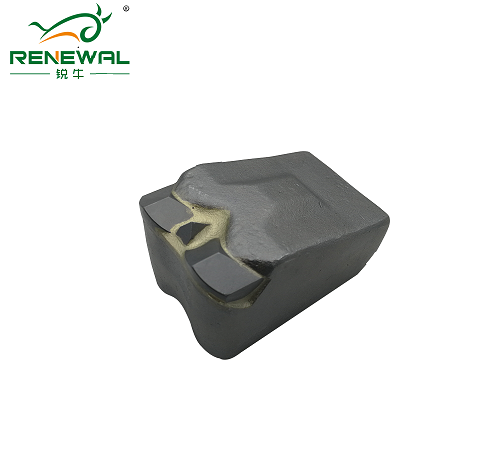
OEM vs. Aftermarket Comparison
You might ask if you should buy OEM teeth or try aftermarket ones. Both types have good points. OEM carbide mulcher teeth are made by the same company as your mulcher. They fit just right and work in many jobs. Aftermarket teeth usually cost less money and use new materials. Many aftermarket brands now make teeth that work as well as OEM parts.
Here is a quick comparison:
Feature | OEM Fecon Teeth | Aftermarket Alternatives |
|---|---|---|
Cost | Higher | Lower |
Performance | Comparable | Comparable |
Material Technology | Standard | Advanced |
Popularity | Less Popular | Increasingly Popular |
You can save money if you pick aftermarket teeth, especially if you change them a lot. Many aftermarket brands use strong carbide and steel, so the teeth last a long time. Some brands, like Renewal, use special ways to attach the tips. This makes the teeth last even longer. You should read reviews and talk to other people who use these teeth.
Note: For big jobs, some people still pick OEM teeth to stop their machine from breaking down. But aftermarket teeth are a smart choice for most land clearing and mulching work.
Popular Aftermarket Brands and Kits
You have lots of choices for aftermarket Fecon Mulcher Teeth Replacement. Some brands are known for being strong and a good deal. Here are some popular ones:
Renewal sells carbide teeth that last a long time. Their kits often have all the parts you need to change your teeth.
Bradco, RoadTec, and Warren make teeth that fit many Fecon machines.
MulcherParts.com, Rocksolid, and CMI also make teeth that work with different rotors.
Some brands cost less but still work well. You can find kits that fit your rotor and the job you need to do. Always check if the kit comes with bolts, nuts, and instructions.
Before you buy, always check the OEM part number from your old teeth or your manual. This helps you not make mistakes and makes sure the new teeth fit your machine. You can find the part number on your old tooth or in your owner's manual. Many sellers have charts to help you match the right part.
Tip: Matching the OEM part number is the best way to get the right teeth for your mulcher.
Fecon Mulcher Teeth Replacement Process
When to Replace Mulcher Teeth
You need to know when your carbide mulcher teeth are worn out. Worn teeth can slow down your work and cost you more money. Here are some signs that tell you it is time for Fecon Mulcher Teeth Replacement:
The machine does not mulch as fast as before.
You feel new or strong vibrations while using the mulcher.
You see chips, bends, or dull edges on the teeth.
The machine uses more fuel than usual.
If you notice these signs, you should check your teeth right away. Worn teeth make your machine work harder and can lead to bigger problems. Delaying replacement can cause more stress on your mulcher and may lead to expensive repairs.
A quick look at how worn teeth affect your machine:
Evidence Description | Impact on Efficiency and Longevity |
|---|---|
Worn teeth require more power and time to operate. | Increases fuel consumption and operational costs. |
Sharp teeth cut faster and save fuel. | Maintains optimal performance and reduces breakdowns. |
Step-by-Step Replacement Guide
You can replace your carbide mulcher teeth by following these steps:
Gather all tools and new teeth. Wear gloves and safety glasses.
Make sure the machine is off and safe to work on.
Check each tooth for cracks, chips, or heavy wear.
Loosen and remove the bolts or screws holding the old teeth. Use oil if any are stuck.
Take off the old teeth. Clean the seat so the new teeth fit well.
Put on the new teeth. Line them up straight.
Tighten the bolts, but do not over-tighten.
Check the space between teeth. They should be even.
Start the mulcher slowly. Listen for odd noises or shakes.
Safety Tip: Always wear safety gear and follow the instructions in your machine’s manual.
Bolt Torque and Installation Tips
You must tighten the bolts to the right torque. Loose bolts can damage the rotor or make the teeth fall off. Use a torque wrench and follow the numbers in your Fecon manual. Most bolts need to be very tight, but not so tight that they break. Check the bolts again after a few hours of use. This keeps your Fecon Mulcher Teeth Replacement safe and helps your machine last longer.
Note: Proper bolt torque protects your investment and keeps your mulcher running smoothly.
Aftermarket Teeth Risks and Benefits
Potential Risks and Drawbacks
There are some risks when you pick aftermarket teeth. The biggest risk is that the teeth might not fit your rotor. If you do not check the part number, the teeth may not match. This can make your mulcher cut badly or even break it. Another problem is how long the teeth last. Some aftermarket teeth use weak materials and wear out fast. You should also think about your warranty. Some companies will not fix your machine if you use non-OEM parts.
Tip: Always check if the teeth fit and what they are made of. Ask your seller questions if you are not sure.
Benefits and Cost Savings
Aftermarket teeth have many good points. You can save money and keep your mulcher working longer. Many aftermarket carbide-tipped teeth last a long time. You do not need to change them as much. This means your mulcher works more and spends less time in the shop. You can also get a lower price if you buy a lot at once. When you look at all the costs, you often save more with aftermarket teeth.
Here is a table that shows how you save money with aftermarket Fecon Mulcher Teeth Replacement:
Cost Saving Factor | Description |
|---|---|
Reduced Change-Out Frequency | Aftermarket carbide-tipped teeth last longer, so you change them less often. |
Lower Downtime | Longer service life means your machine works more and stops less. |
Volume Discounts | Buying in bulk can lower the price for each tooth. |
Total Cost of Ownership | Looking at long-term costs shows bigger savings, not just the first price. |
You can also get more work done. Good tungsten carbide teeth last longer and help stop breakdowns. If you check your teeth often and change them on time, your mulcher will run well.
Warranty and Support Issues
Using aftermarket teeth can change your warranty. Some companies will not pay for repairs if you use non-OEM parts. Always read your warranty before you switch teeth. Good aftermarket brands sometimes give their own support and promises. Ask about these before you buy. If you keep records of your Fecon Mulcher Teeth Replacement, you can show you took care of your machine.
Note: Buy from trusted sellers and keep all your receipts and records. This helps if you need help or have a warranty question.
You should always match your carbide mulcher teeth to the right rotor and job. This keeps your machine safe and efficient. Follow these steps for the best results:
Pick teeth that fit your rotor and work needs.
Install teeth tightly and use the correct torque.
Check for loose or worn teeth often.
Replace or rotate teeth as needed.
Inspect teeth before and after use.
Keep spare teeth ready to avoid downtime.
Using compatibility charts and talking with suppliers helps you avoid costly mistakes.
FAQ
How often should you check Fecon mulcher teeth for wear?
You should inspect your mulcher teeth before and after each job. Regular checks help you spot damage early. This keeps your machine running safely and saves you money on repairs.
Can you mix different types of teeth on one rotor?
You should not mix tooth types on the same rotor. Each rotor works best with matched teeth. Mixing can cause imbalance and reduce cutting performance.
What tools do you need to replace Fecon mulcher teeth?
You need a torque wrench, safety gloves, and the correct bolts. A cleaning brush helps remove debris from the tooth seat. Always follow your machine’s manual for the best results.
Do aftermarket teeth affect machine warranty?
Some warranties may not cover damage from non-OEM parts. You should read your warranty terms before using aftermarket teeth. Ask your dealer if you have questions.
How do you find the right replacement tooth for your Fecon mulcher?
Check your machine’s manual or the old tooth for the OEM part number. Use compatibility charts from suppliers. This ensures you get the correct fit for your rotor and job.


