


How to Choose the Right Round Shank Chisel for Your Rotary Drilling Rig
Choosing the right round shank chisel needs careful planning. You must match the ground type with tool features. First, check how hard and scratchy the rock is. Then, pick the best shank diameter and tip shape. Make sure to check the body hardness too. This smart choice helps you drill much faster. Using good cutting tools protects the cutter block seats. It prevents early wear and stops expensive delay times.
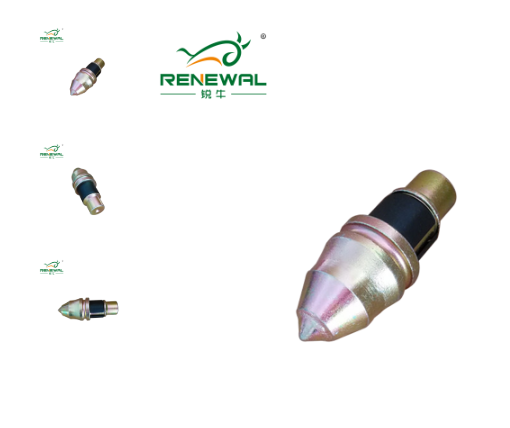
Top tools from Changzhou Renewal Machinery Co., Ltd. work great. They handle the hardest ground conditions with ease. These strong cutting tools have very hard tungsten carbide tips. They also feature tough, heat-treated alloy steel bodies. Upgrading your drill rig setup with them helps a lot. It guarantees better drilling through tough rock formations.
Key Takeaways
Test rock hardness first.
Choose the best tungsten carbide tip shape.
Pick the right shank diameter.
This absorbs heavy twisting forces.
It prevents tool snapping.
Keep chisels spinning freely.
Do this in their holders.
This will sharpen tips.
It ensures even wear.
Inspect tools every day.
Replace worn parts early.
This protects expensive block seats.
It prevents bad damage.
Ground Conditions and Chisel Selection
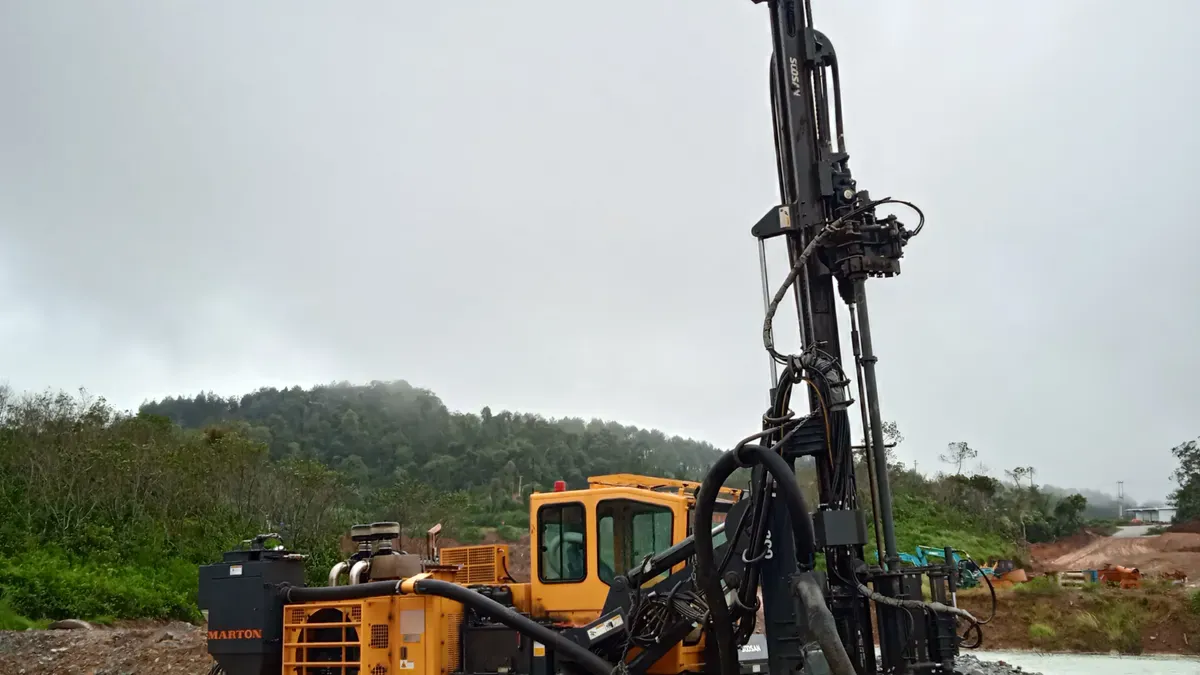
Dirt types control how tools work. Check the ground first. Do this before adding new tools. The right round shank chisel drills fast. It cuts down shaking. It stops costly delay time. Know dirt hardness to pick carbide shapes.
Soft Soil and Cohesive Strata
Sticky clay and silt pull on tools. You need a standard shank size. Use wide tool faces now. This moves sticky dirt away fast. Good dirt flow stops block clogs. It keeps tools turning well. Fast tool spinning clears sticky buildup. This cleans out pocket areas quickly. Operators keep fast drill speeds. Do this with good shank fits. Smooth tool bodies lower torque loss. They ensure very clean holes. You stop early tool wear. Just pick good tool setups early.
Medium Rock and Weathered Layers
Broken rock needs special tool shapes. This boosts total drilling speed. Tests show rock strength first. Pick carbide shapes after checking tests. The table below shows good choices:
Tip Geometry | Applicable Strength Range (UCS) | Penetration Performance | Ideal Target Rock |
|---|---|---|---|
Conical / Chisel | 20 to 100 MPa | Peak / Fastest Advance | Soft sandstone, limestone |
Ballistic / Semi-Ballistic | 70 to 150 MPa | High / Balanced Speed | Weathered granite, sandstone |
Conical tips break soft sandstone well. They use strong focused point forces. Ballistic tips balance speed and wear. They work great in weathered granite. Right tips reduce heavy shock loads. They protect stepped shank shoulders. Proper shapes stop big rig shaking. They also prevent high heat build-up.
Hard Rock and Reinforced Concrete
Solid rock needs very tough tools. So do hidden concrete blocks. High forces need bigger shank diameters. This absorbs big bending stress easily. Strong steel shanks handle crushing loads. They cut steel rebar and concrete. Hard tungsten inserts crush dense rock. They do not break early. Pick heavy tool builds today. This protects your tool life long. Good tool contact keeps drilling steady. It stops motor damage on rigs.
Abrasive Sand and Gravel Formations
Rough dirt wears down lower tools. Sand and gravel rub shank faces. They scrape bare metal fast. Choose a reinforced shank design now. It needs special hard steel layers. Proper washers keep tools turning free. Free spinning makes tools wear evenly. This extends tool life a lot. Swap worn tools very quickly. This keeps block holders from wearing.
Technical Features of a Round Shank Chisel
Shank Diameter and Retention Systems
Match shank sizes to machine needs. This handles big twisting forces well. Strong shanks fit holders tightly. They spread harsh shock loads evenly. New tools use smart locking systems. Heavy sleeves and clips hold tight. Fast tool swaps save time. Quick fixes cut costly delays. Popular models fit standard augers easily. They also fit drilling buckets well.
Model Series | Shank Fit Type | Retention Style | Primary Application Area |
|---|---|---|---|
B47K22H | Heavy stepped shank | External retain ring | Deep foundation piling |
C31HD | Heavy cylindrical shank | Internal expansion clip | Hard rock trenching |
BFR07 | Medium stepped shank | Fast lock sleeve | Abrasive soil augers |
RL07 | Compact round shank | Snap ring retainer | Utility rock drilling |
Picking right models stops tool loss. It prevents drops in deep holes. Good locks keep shanks aligned straight. They still let tools spin freely. Proper diameters stop strong shaking. This protects holder bores from damage. It also extends tool life long.
Tungsten Carbide Chisel Tip Styles
Chisels need hard carbide tips. These tips resist heavy scratching. Factories press tough tips into steel. They use extreme heat and pressure. Hard tips endure intense friction. They crush rocks without breaking easily. Special shapes send force into rock. They protect steel shoulders underneath. Big caps block fine dust. They stop early body wear. Sharp tips cut medium dirt fast. Large buttons crush hard rock smoothly. Choose parabolic or chisel tips now. These choices speed up rock breaking. Steady crushing keeps drilling speed fast. It prevents uneven tool wear. It helps your rig run well. Sharp carbide tips need less torque. This saves power on Kelly bars.
Heat-Treated Alloy Steel Bodies
Steel bodies take huge impacts. They pass spinning power from blocks. Changzhou Renewal Machinery uses strong steel. They use top heat-treated alloy metals. Smart heat treatments build tough cores. Cores withstand violent shock loads. Hard surfaces stop bad bending. They prevent snaps in deep holes. Smooth stems allow free spinning. Tools spin freely inside holders. Free spinning sharpens tips evenly. It lowers side strain on gears. Forged alloy holds shape very well. It handles bending and hot stress. Strong bodies resist high friction heat. They endure continuous pounding too. Good steel tools last much longer. They save money on big jobs.
Rotary Rig Compatibility and Operations
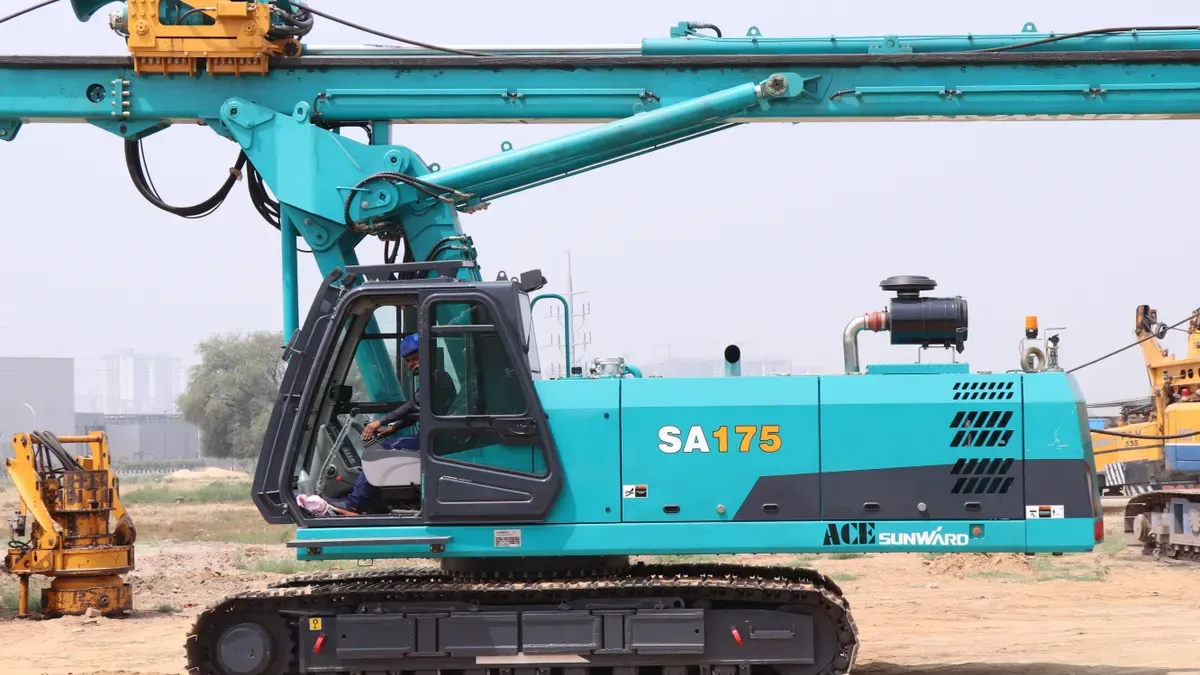
Machine Torque and Feed Force
Match cutting tools to machine power. Huge rigs push tools very hard. The round shank tooth moves forces directly. Strong shank sizes stop bad bending.
Use proper hydraulic pressure parameters. This stops quick tool breaks. It protects internal drive parts well.
Balance feed force and drill speed. Heat stays lower this way. High force crushes carbide tips quickly. Balance torque with good hydraulic settings. This keeps your drilling speed fast. Renewal Machinery tools take big forces smoothly.
Cutting Pattern and Tool Spacing
Set tools in clear order now. Space tools out very carefully. Each round shank tooth cuts clean paths. This setup cuts bad side shaking. It shields your heavy Kelly bar.
Brand System | Fitting Compatibility | Primary Advantage |
|---|---|---|
Kennametal / Betek | Direct Block Fit | High impact absorption |
Bauer / Pengo | Standard Pocket Mount | Fast field replacement |
Digga / FAE | Universal Block Seat | Wear-resistant retention |
Good spacing stops unwanted dirt ridges. High ridges burn much more fuel. Common shank sizes fit top heads. They fit Kennametal and Betek setups easily. They also fit Bauer and Pengo tools. Digga and FAE accept them too.
Holder Rotation and Attack Angles
Keep your shank turning inside pockets. Free spinning wears the tip evenly. It sharpens the carbide tip automatically. Clean out crushed rock dust quickly. Free pockets keep shanks spinning fine.
Bad angles cause flat carbide spots. Set holder seats very straight now. Correct angles cut rock much easier. Free rotation stops holder seat damage. It helps your big tools last longer.
Maintenance and Tool Wear Management
Identifying Tool Wear Patterns
Inspect cutting tools often. Operators spot early changes on tungsten inserts. Compare signs to find bad damage.
Characteristic | Normal Abrasive Flank Wear | Thermal Stress Cracking |
|---|---|---|
Location & Orientation | Found on the flank face. It runs parallel to the edge. | Found on the flank face. It shows cracks across the edge. |
Root Cause | Regular rubbing during cutting operations. | Sudden heat changes from cooling fluids. |
Visual/Physical Identification | Smooth, shiny wear land along the edge. | Small cracks across the edge. |
Primary Solution | Lower speed or choose better tool coatings. | Change coolant flow or reduce speed. |
Spotting signs helps adjust drilling settings fast. You stop sudden carbide breaks. This keeps drill speeds fast.
Preventing Block Seat Damage
Good care keeps the round shank chisel spinning freely. Trapped dirt stops smooth spinning. It makes flat spots on metal. Clean rock dust out during every shift.
Stuck tools push hard against pocket walls. Big impacts ruin inner holder seats quickly. Check holder bores often. This protects holder seat investments. Replace worn retaining clips now. This stops loose tool moves.
Cost per Meter Optimization
Smart care cuts total job costs a lot. Swap worn parts early to save money. Timely swaps protect holder pockets. This extends total cutter head life.
Match tool features to rock types. Proper shank diameter selection stops tool snapping under high torque. Free shank spinning sharpens tool tips automatically. Operators dig more dirt every day. They get lower cost per meter rates.
Follow this easy field list now:
Test rock hardness. Pick good carbide tips.
Select correct shank sizes. Handle heavy rig torque.
Check retention systems. Ensure smooth tool rotation.
Pick good chisels from Renewal Machinery today. They make drilling work much better. Strong alloy steel bodies absorb harsh impacts easily. Hard carbide inserts stay sharp in rough dirt. Great parts stop costly delay times. They protect block seats and last long. Working with trusted sellers boosts project profit every shift.
FAQ
How do you know when to replace a round shank chisel?
Check tools daily for wear. Swap them when carbide falls off. Replace chisels with flat body spots. Quick swaps shield block seats. They keep drill speeds very fast.
Why is free tool rotation important during rotary drilling?
Free spinning wears carbide tips evenly. This process sharpens tools by itself. It keeps cutting edges very sharp. It stops flat spots from forming. It lowers strain on pocket holders.
Are Renewal Machinery round shank chisels compatible with major rig brands?
Yes, these tools fit most rigs. You can install them very easily. They fit major global cutter blocks. These include Kennametal and Betek systems. They also fit Bauer and Pengo. Digga and FAE work too. No machine changes are needed.
What steel grade best resists heavy impact during hard rock drilling?
Pick heat-treated alloy steel tools. Use AISI 4140 or 42CrMo steel. These strong steel bodies take impacts. They handle violent shock loads easily. They stop bending in deep rock. They do not snap inside holes.


