


Comparing Carbide Teeth Types for Mulchers in 2026
Choosing the right mulcher teeth can transform your work, especially in forestry and land clearing projects in 2026. It’s essential to select teeth that can withstand demanding tasks and offer extended durability in challenging environments. Advances in carbide technology have made a significant impact—these teeth are not only stronger but also feature self-sharpening capabilities, ensuring superior cutting performance and reduced wear. With a variety of options available, including innovative designs from Changzhou Renewal Machinery, you have the flexibility to select the best fit for your needs. This guide provides a clear carbide teeth types for mulchers comparison, helping you evaluate your options and make informed decisions for optimal results.
Key Takeaways
Pick carbide teeth if you want them to last. They stay sharp longer and need less fixing than steel teeth. - Make sure your mulcher teeth fit your job and land. Different jobs need special teeth to work best. - Check your teeth often for damage. Change them when they get dull so your machine cuts well. - Think about getting custom teeth from experts. Custom teeth can help your machine work better. - Buying good carbide teeth saves money in the long run. They help you work faster and stop your machine from breaking down.
Types of Mulcher Teeth
Standard Mulching Teeth
Standard mulching teeth are on many basic mulchers. These teeth are made from steel or alloy. They are good for light jobs like cutting grass or small brush. The design is simple and easy to use. Standard mulcher teeth do not last as long as carbide teeth. They are cheaper to buy. You can see how they compare in the table below:
Feature | Standard Blades | Mulching Blades |
|---|---|---|
Primary Use | Bagging and discharging clippings | Cutting grass into smaller pieces for mulching |
Design | Less curves, more lift and discharge power | More curves, increased cutting edge |
Ideal for | Cleaner lawns, less frequent mowing | Lawns mowed every 3-4 days |
Environmental Impact | Less focus on nutrient return | Returns nutrients to the soil |
Clogging Risk | Lower risk with regular mowing | Higher risk with overgrown grass |
Tungsten Carbide Teeth
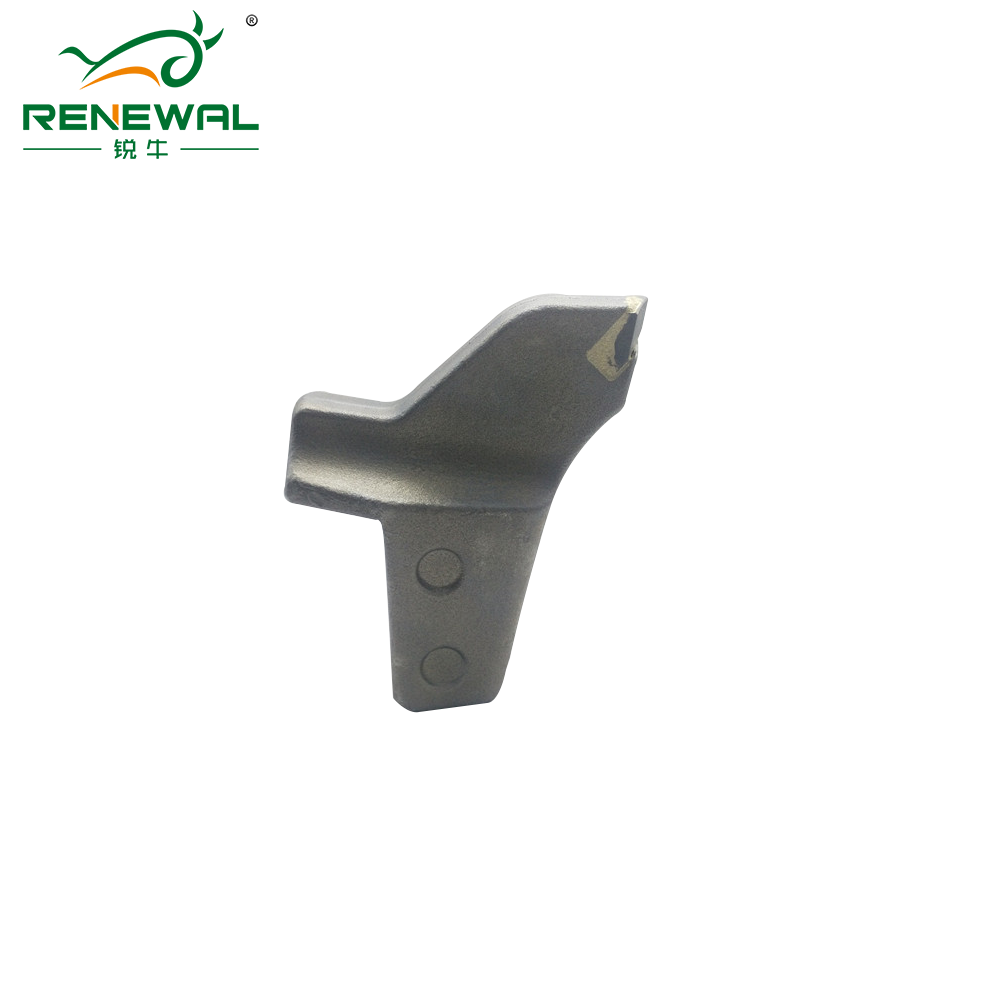
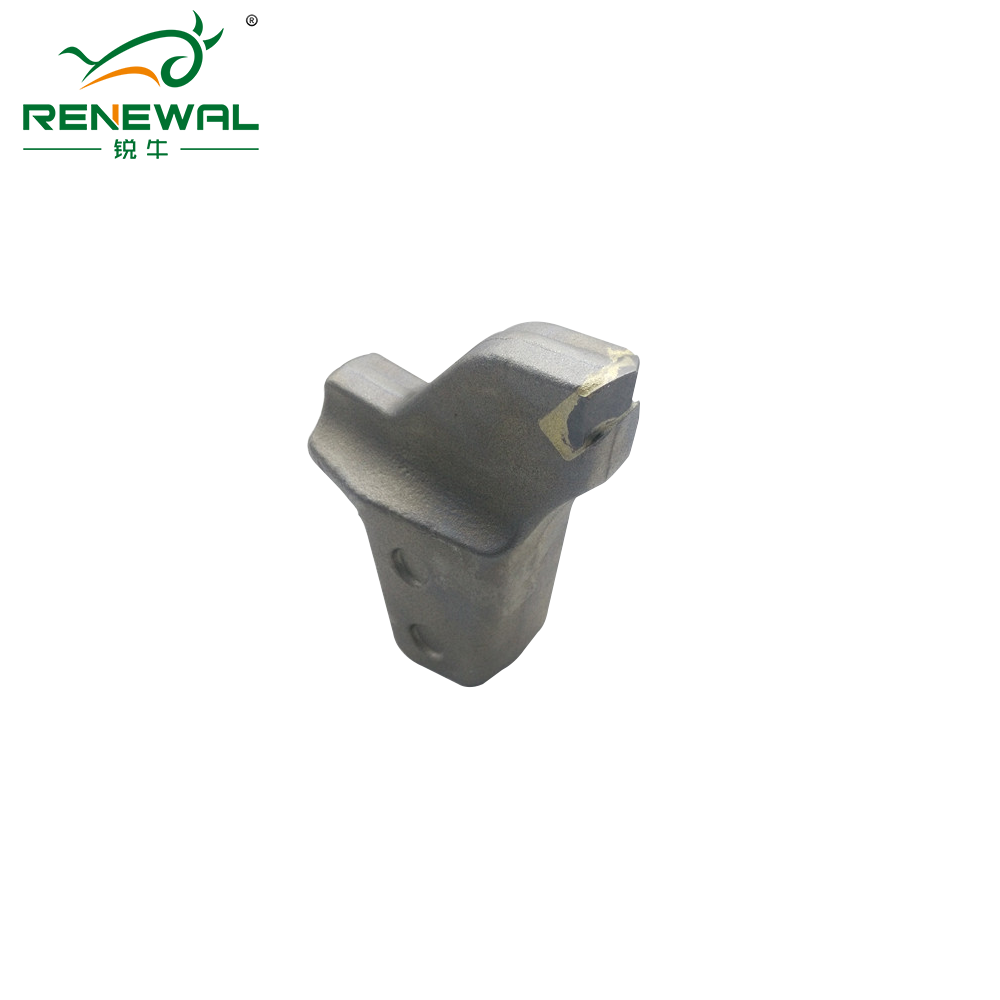
Tungsten carbide teeth are very tough in 2026. Most professional mulchers use these teeth. They have a hard tungsten carbide tip that does not wear out fast. Carbide mulcher teeth last about 200 to 500 hours. This means you do not need to fix them often. You can work longer without stopping. Changzhou Renewal Machinery makes forestry mulcher teeth and stump grinder teeth with carbide tips. These teeth are strong for hard jobs like land clearing and waste recycling. Carbide teeth work well on rocky ground and hardwood trees.
Stellite Alloy Teeth
Stellite alloy teeth are made from cobalt and chromium. This mix helps the teeth resist heat and wear. Stellite teeth are good for fast mulching and grinding. You will see these teeth used when carbide teeth might break. Stellite alloy teeth are both tough and sharp. Many people pick them for fine mulching or when working with rough materials.
Fixed vs. Swinging Teeth Designs
You can pick fixed or swinging teeth for your mulcher. Fixed teeth do not move. They cut very well and are best for hard jobs. Swinging teeth move on a pivot. They take hits and do not break easily. Swinging teeth are good for jobs with rocks or hidden things. Changzhou Renewal Machinery sells both types for forestry mulcher teeth and aftermarket forestry mulcher teeth. Pick the style that fits your land and work.
Tip: For the best results, match your mulcher teeth to your machine and the material you cut. Changzhou Renewal Machinery can make custom mulcher teeth, like armored maul carbide teeth, twin maul carbide teeth, and carbide-tipped teeth.
The main types of mulcher teeth in 2026 are:
T-style teeth with a tungsten carbide cutting edge
L-style teeth for quick changes
Cartridge system teeth for modular setups
Planer teeth for fine mulching
Chisel teeth for breaking tough materials
Armored maul carbide teeth for extra strength
Carbide mulcher teeth and aftermarket forestry mulcher teeth last a long time and work well. Pick the right mulcher teeth to keep your work going smoothly.
Carbide Teeth Types for Mulchers Comparison
Durability and Wear Resistance
You want your carbide mulcher teeth to last a long time. Durability is very important when you do lots of work. Carbide teeth are special because they do not wear out fast. They can handle rocks, dirt, and hardwood without breaking. When you look at carbide teeth types for mulchers, you see that tungsten carbide and Stellite are very strong. These materials help the teeth stay sharp and tough after many hours.
Changzhou Renewal Machinery uses tungsten carbide in their mulcher teeth. This makes the carbide mulcher teeth strong for hard jobs. You can trust these teeth to work well in rough places. The right carbide teeth types for mulchers comparison shows you save money with teeth that last longer. You spend less time changing teeth and more time working.
Note: Strong alloys in carbide mulcher teeth help you buy new teeth less often and save money.
Cutting Efficiency
Cutting well is important when you use a mulcher in forests or on job sites. Carbide teeth cut fast and clean. They go through wood, brush, and small stumps easily. When you look at carbide teeth types for mulchers comparison, you notice that different shapes and tips change how the teeth cut.
Some carbide teeth have a chisel tip for breaking hard things. Others have a planer style for smooth mulching. You should pick the tooth shape that fits your job for the best results. Tungsten carbide teeth from Changzhou Renewal Machinery have sharp edges that stay sharp longer. This means you get good results every time you use your mulcher.
Tip: For the best cutting, check your carbide mulcher teeth often and change them when they get dull.
Maintenance and Replacement
You want to work more and fix your mulcher less. Carbide teeth need less care than steel teeth. They last longer, so you do not stop your mulcher as much. In busy places, this helps a lot.
Here is a table that shows how often you need to check and change different mulcher teeth:
Carbide Teeth Type | Maintenance Frequency | Lifespan (Hours) |
|---|---|---|
Diamond Twin Maul | Low | 200 - 500 |
Other Carbide Mulcher Teeth | Low | Varies |
Forged Knives | High | Frequent checks |
You can see that carbide teeth types for mulchers comparison shows carbide teeth last longer than forged knives. Always follow the rules from your mulcher maker for changing teeth. This keeps your machine safe and working well.
Cost and Value
You want the best value for your money. Carbide teeth cost more at first, but save you money later. Special alloys in mulcher teeth help you spend less on new teeth. You do not need to buy teeth as often, and you fix your mulcher less. This means you finish more work with fewer stops.
Makers now use strong polymers and composite materials to lower costs. These materials make your mulcher teeth strong and dependable. When you compare carbide teeth types for mulchers, you see the best teeth give you good performance and last a long time. You get better results and save money over time.
Remember: Buying good carbide teeth helps you finish jobs faster and keeps your mulcher working well.
Choosing the Right Teeth
Assessing Job Requirements
You need to start by understanding your job needs before choosing the right teeth for your mulcher. Every forestry or land clearing project is different. Some jobs require you to cut through thick brush, while others need you to grind stumps or clear rocky ground. The type of vegetation and the amount of work will guide your decision.
Here is a table to help you match mulcher teeth types to your job:
Mulcher Teeth Type | Key Features and Applications |
|---|---|
EDGE™ Hardened Steel Teeth | Best for high-speed cutting in clean, low-impact soils. Quick maintenance and long service life. |
Twin Chisel™ Planer Teeth | Durable and productive. Good for high-output jobs with some ground contact. |
Twin Maul™ Carbide Teeth | Made for rocky terrain and fire-prone areas. No maintenance needed and lasts much longer than steel. |
Four-Point Hardened Steel Teeth | Slices through material fast. Works best in softer soils with little ground contact. |
Armored Maul™ Carbide Teeth | Handles harsh conditions. Keeps cutting force strong for a long time. |
You should always match the tooth design to your job. For example, rocky terrain needs impact-resistant carbide teeth. Dense brush calls for aggressive cutting edges. If you choose the right mulcher teeth, you will work faster and reduce downtime.
Tip: Carbide mulcher teeth are strong and last longer. They help you finish tough jobs with less maintenance.
Terrain and Material Considerations
The ground and material you work with affect how your mulcher teeth perform. Soft materials like grass or straw need different teeth than hardwood or rocky soil. You should look at the terrain and what you need to cut before you pick your teeth.
Check this table for guidance:
Material Type | Recommended Teeth Type | Characteristics Impacting Performance |
|---|---|---|
Soft Materials | Standard steel teeth or serrated blades | Good for grass, leaves, and straw. |
Tough Materials | Hardened steel or carbide-tipped teeth | Stays sharp and resists impact. |
High-Power Machines | Robust, impact-resistant teeth | Needed for brush or small trees. |
Low-Power Machines | Lighter, sharper teeth | Cuts fast but not for heavy work. |
Overly Aggressive Teeth | Can stall or overheat the machine | Not for small or weak machines. |
Under-Specified Teeth | Reduces efficiency and slows work | Not for powerful machines. |
You should always match the teeth to the material and the power of your machine. Carbide teeth work well in harsh conditions, like rocky or hard soil. They also last longer when you clear dense brush or grind stumps.
Note: If you are not sure which teeth to use, you can ask Changzhou Renewal Machinery for advice. Their team can help you choose the best carbide teeth for your job and machine.
Mulcher Compatibility
You must make sure your carbide mulcher teeth fit your machine. If you use the wrong teeth, your mulcher will not work well. The right fit helps your teeth last longer and keeps your machine safe.
Here are some things to check:
Make sure the teeth match your mulching head.
Check the size and mounting style.
Use teeth designed for your machine’s power and speed.
If you use carbide teeth that fit your mulcher, you will get the best performance. Incompatible teeth can cause problems, like uneven wear or machine damage.
Changzhou Renewal Machinery offers expert customization. You can get mulcher teeth made for your exact needs. Their support team will help you define your main application, analyze the material you work with, and pick the right tooth shape and material. You can balance performance and cost by choosing the right carbide teeth for your workload.
Tip: Custom mulcher teeth from Changzhou Renewal Machinery help you get the most out of your equipment. You can trust their experience to guide you.
Choosing the right teeth for your mulcher means looking at your job, your terrain, and your machine. Carbide teeth give you strength and durability for many jobs. With the right support, you can keep your mulcher working at its best.
Applications of Mulching Teeth
Forestry and Land Clearing
Mulching teeth are used in many forestry jobs. They help clear land for building and fix overgrown fields. You can also keep roads and powerlines clear. These teeth help make firebreaks and control unwanted plants. Mulching teeth break down underbrush and big trees. This helps forests stay healthy and brings back animal homes. In big forestry work, carbide teeth are used for hard jobs. These carbiede mulcher teeth cut well and last a long time, even when it is tough. You get good mulch that helps the soil and new plants grow.
Clearing land for new buildings
Fixing old pastures
Keeping roadsides clear
Making firebreaks
Helping animal homes come back
Stump Grinding
Special forestry mulcher teeth are needed for stump grinding. These teeth cut deep into stumps, sometimes as deep as 18 inches. You go over the stump many times to make fine mulch. The ground stays smooth and the soil is not messed up much. The mulch puts nutrients back into the ground. Carbide teeth are best because they stay sharp and do not wear out fast. The table below shows how stump grinding is different from other jobs:
Application Type | Performance Features | Advantages |
|---|---|---|
Stump Grinding | Cuts deep, does not mess up soil | Makes mulch with nutrients, helps soil |
Other Applications | Clears the top, removes brush | Works best with special mulcher heads |
Waste Recycling
Mulcher teeth help a lot in waste recycling. They chop and grind tree and brush waste into small mulch pieces. This mulch is good for gardens and helps the soil. Carbide teeth make it easy to break down hard stuff fast. You help the planet by turning wood waste into something useful. Forestry mulcher teeth make recycling waste easier and better.
Wildfire Prevention
Mulching teeth can help stop wildfires. Carbide teeth turn thick plants into mulch in places where fires can start. This means there is less stuff to burn. The mulch also helps new plants grow. Carbide teeth are strong and cut well, which is important for stopping fires and keeping plants under control. You help keep forests safe and healthy for the future.
Tip: Pick carbide teeth for your forestry work to get the best results. You will see better mulch, less time fixing things, and faster land clearing.
You have many choices when picking mulcher teeth. Carbide teeth last longer and need less care than steel teeth. See the table below for a quick comparison:
Feature | Carbide Mulching Teeth | Steel Mulching Teeth |
|---|---|---|
Durability | Very high | Moderate |
Maintenance | Low | High |
Performance | Steady | Fast, wears faster |
To choose the best teeth:
Match the teeth to your terrain and job.
Check your mulcher model for fit.
Ask experts like Changzhou Renewal Machinery for advice.
Carbide teeth help you work faster and save money over time.
FAQ
What makes carbide mulcher teeth better than steel teeth?
Carbide teeth last longer and stay sharp. You can cut tough materials without frequent replacements. This means you save time and money on maintenance.
How do I know which mulcher teeth fit my machine?
Check your mulcher’s manual for tooth size and mounting style. You can also ask Changzhou Renewal Machinery for help. They offer custom solutions for many machines.
How often should I replace carbide mulcher teeth?
You should check your teeth after every big job. Replace them when you see dull edges or chips. Carbide teeth usually last much longer than steel teeth.
Can I use the same teeth for stump grinding and land clearing?
No, you need special teeth for each job. Stump grinding teeth cut deep below ground. Land clearing teeth work best above ground on brush and trees.


