


A Deep Dive into Wirtgen Milling Machine Teeth
In the world of road rehabilitation and construction, the Wirtgen cold milling machine stands as an undisputed icon of efficiency and power. These colossal machines are the first step in recycling our infrastructure, precisely removing worn-out asphalt surfaces to make way for a new, smooth driving experience. But the true heart of this operation, the critical interface between the machine's immense power and the unyielding pavement, lies in its smallest and most vital components: the Wirtgen milling teeth, or picks.
Often overlooked by the casual observer, these small pieces of engineered tungsten carbide are the unsung heroes of the milling process. Their performance, durability, and cost-effectiveness directly dictate the success of any project. This article explores the latest advancements, key considerations, and best practices surrounding Wirtgen milling teeth, providing a comprehensive guide for operators, fleet managers, and procurement specialists.
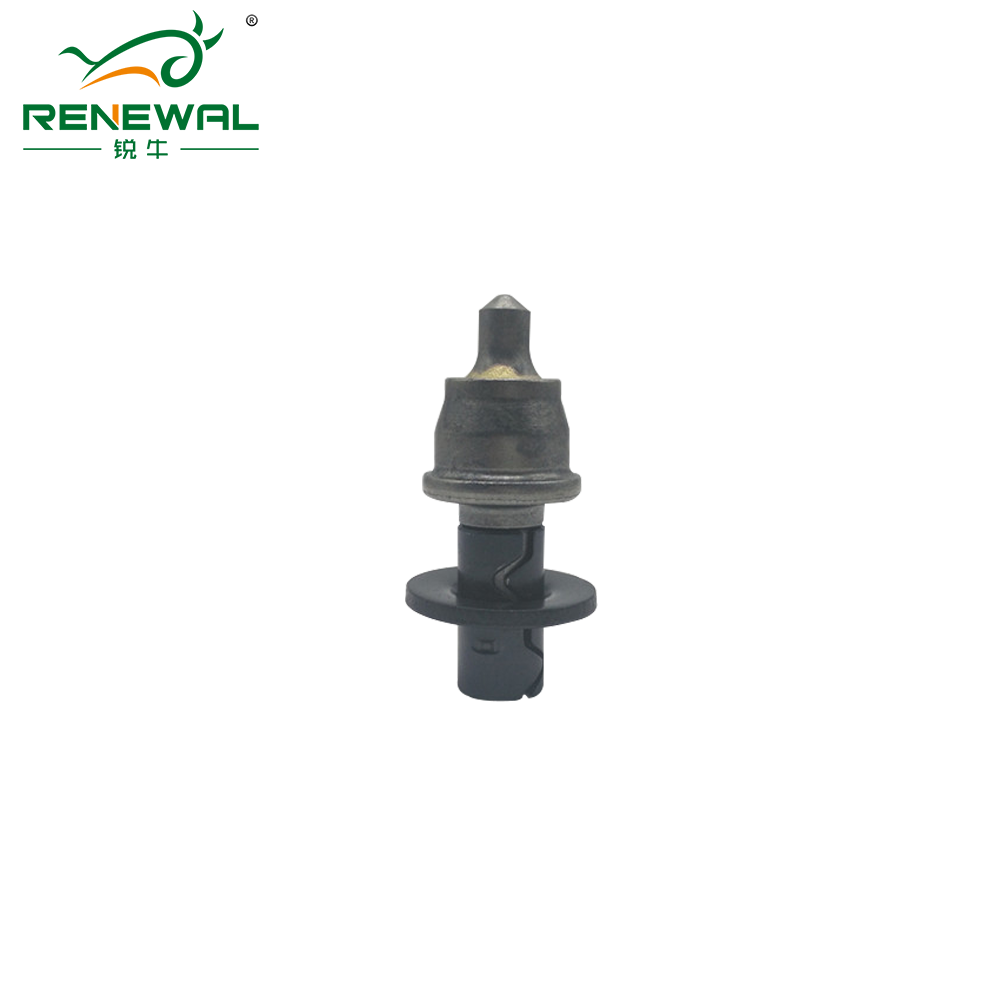
Anatomy of a Wirtgen Milling Teeth: More Than Just a Tip
A Wirtgen milling tooth is a sophisticated system comprised of three main parts:
The Tungsten Carbide Tip (Insert): This is the cutting point, the part that actually engages with the asphalt and aggregate. It's made from a grade of tungsten carbide—a composite material known for its extreme hardness and wear resistance. The quality of the carbide, its grain size, and the specific alloying elements (like cobalt binder) are crucial for performance. Modern tips often feature advanced geometries (conical, wedge, block) tailored for specific materials and milling conditions.
The Steel Holder (Shank or Body): This is the body of the wirtgen milling teeth, typically made from high-grade, heat-treated alloy steel. It must be incredibly tough to withstand the massive bending and impact forces without breaking. The holder is precisely engineered to fit into the milling drum's toolholders.
The Retention System: This is the mechanism that locks the tooth securely into the holder on the drum. Wirtgen primarily uses its patented Quick Change System. This allows for fast, tool-free replacement of worn teeth, dramatically reducing downtime and improving job site safety. A simple twist or knock with a hammer is often all that's needed to eject a worn pick and insert a new one.
The Evolution: What's New in Wirtgen Milling Teeth Technology?
The technology behind these Wirtgen milling teeth is not static. Continuous innovation focuses on extending life, reducing costs, and improving finish quality.
Advanced Carbide Grades: Manufacturers now offer a range of carbide grades optimized for different conditions. A "premium" or "hard rock" grade will feature a finer carbide grain structure and a higher wear resistance for abrasive aggregates like granite or gravel. A "standard" or "general duty" grade might offer a better balance of wear and impact resistance for typical asphalt mixes.
Precision Engineering and Coatings: The machining and hardening processes for the steel holders have become more precise, ensuring a perfect fit and optimal force transfer. Some manufacturers apply specialized coatings, such as Hard Chrome Plating (HCP) or other proprietary treatments, to the steel body to reduce friction and combat abrasive wear on the holder itself, which can be a significant cause of failure.
Ergonomics and Retention: The Quick Change system continues to be refined for even easier operation. The goal is to minimize the physical strain on operators during the change-out process, making it faster and safer.
Data-Driven Selection: Perhaps the biggest shift is towards a more analytical approach. Instead of a one-tooth-fits-all solution, suppliers work with contractors to analyze the specific job conditions—asphalt mix design, aggregate type and size, desired production rate, and depth of cut—to recommend the optimal tooth type and style. This data-driven matching maximizes tooth life and cost-per-ton.
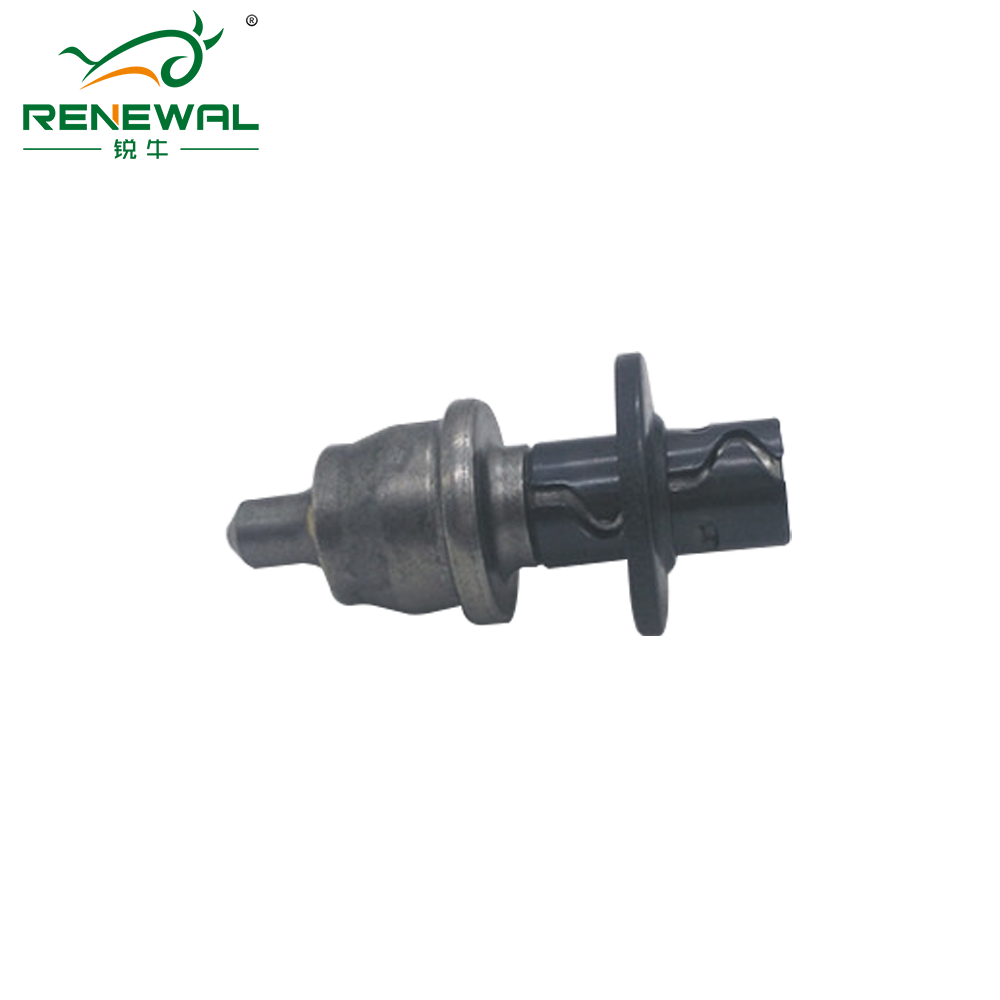
Choosing the Right Tooth: A Critical Decision
Selecting the correct wirtgen milling teeth is not a trivial task. The wrong choice can lead to catastrophic failure, poor surface quality, and exorbitant costs. Key factors include:
Material Being Milled: This is the primary driver.
Standard Asphalt: A general-duty conical pick is usually sufficient.
Highly Abrasive Mixes: Asphalt with a high content of hard, sharp aggregate (e.g., quartzite, granite) requires a premium-grade carbide tip with superior wear resistance.
Composite Materials: Milling through old, thick concrete or a composite pavement (asphalt over concrete) demands a tooth with excellent impact strength to prevent shattering, often a more robust block-style pick.
Milling Drum Type: Fine-milling drums (e.g., for removing just a surface layer or creating a ultra-smooth texture) use a different pick spacing and often a different pick style than a standard or coarse-milling drum designed for full-depth removal.
Desired Finish: The shape and condition of the tooth directly affect the milled surface. Worn or incorrectly selected Wirtgen milling teeth will create a rough, uneven texture that requires more material to level during the paving process.
Cost-Per-Ton Analysis: The most important metric for profitability is not the price of an individual tooth, but the cost per ton of material milled. A cheaper tooth that wears out three times faster is far more expensive than a premium tooth that offers extended life and less downtime for changes.
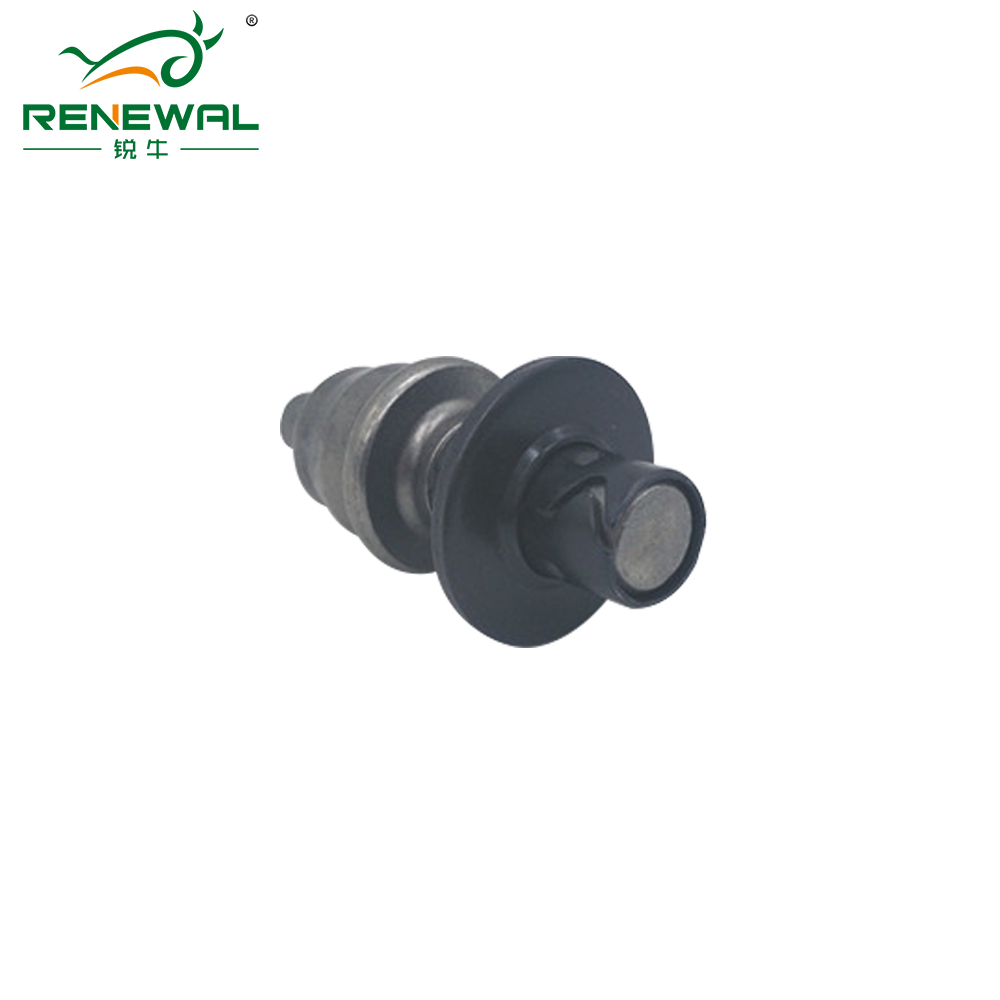
Best Practices for Maximizing wirtgen milling teeth Life and Performance
Regular Inspection: Operators should make a habit of visually inspecting the drum and teeth multiple times per shift. Look for missing, broken, or excessively worn teeth.
Timely Replacement: Don't run teeth until they are completely worn down. A tooth worn past its useful life will not only cut inefficiently but will also cause the steel holder to wear against the pavement, damaging the drum toolholder—a much more costly component to replace. A "rule of thumb" is to replace Wirtgen milling teeth once the tungsten carbide tip is worn down to the steel body.
Correct Rotation and Positioning: Ensure that wirtgen milling teeth are installed correctly and that the drum is configured with the right number and pattern of picks for the application. Using a "checkerboard" pattern of new and partially worn teeth can sometimes help maintain a more consistent finish.
Proper Machine Operation: Skilled operation is key. Avoid sudden, full-depth engagements and maintain a consistent milling speed and drum RPM. Erratic operation increases shock loads and accelerates wear on the entire cutting system.
Wirtgen milling teeth represent a perfect marriage of material science and mechanical engineering. They are a consumable part with a non-consumable importance to the profitability and efficiency of any road construction project. By understanding the technology behind them, making informed selection choices between OEM and quality-aftermarket options, and adhering to strict maintenance protocols, contractors can ensure their milling operations remain truly on the cutting edge. Investing in the right tooth is an investment in the machine, the project, and the bottom line.


